
Reviewed · NASHVILLE HISTORY & CIVIL RIGHTS TOURS
Journey to Jubilee Guided Tour at Belle Meade with Wine Tasting
Belle Meade’s Journey to Jubilee focuses on the Black men and women whose labor made this Tennessee plantation possible, from enslavement through freedom and contract work after Emancipation. The tour uses primary-source research and discussion rather than a polished mansion showcase, making it a serious, sometimes confronting hour on the property.
I like two things here: the attention given to people whose stories are often pushed aside, and the freedom to explore the 30 acres after the guided walk. The complimentary wine tasting is a pleasant extra, and its proceeds help fund historic preservation. The main drawback is that the tour involves standing and walking outdoors, and the mansion tour is not included.
In This Review
- Key details to know before booking
- Why Journey to Jubilee matters at Belle Meade
- A walking tour built around questions and discussion
- What you see around the Belle Meade grounds
- The mansion is separate, and that affects the value
- What the wine tasting adds
- Timing, parking, and getting ready
- Who will get the most from this experience
- Should you book Journey to Jubilee?
- FAQ
- Where does the Journey to Jubilee tour start?
- How long does the guided tour last?
- What does the $33 ticket include?
- Is the mansion tour included?
- Can I explore Belle Meade after the guided tour?
- Is the wine tasting included?
- Is the tour suitable for children?
- Does the tour require much walking?
- Can I cancel for a refund?
Key details to know before booking
- The focus is enslavement and freedom: You will examine the lives, work, and legacies of enslaved and formerly enslaved people connected with Belle Meade.
- It is discussion-based: Your guide may ask questions and invite your thoughts rather than deliver a nonstop lecture.
- The mansion costs extra: This ticket covers the grounds, outbuildings, and Journey to Jubilee program, but not the separate guided mansion tour.
- Wine follows the walking tour: A complimentary tasting at Belle Meade Winery is included, with proceeds supporting preservation work.
- Plan for outdoor walking: The route includes several sets of stairs and periods of standing. It is not recommended if you cannot walk or stand for 30 minutes or more.
- Arrive early: Get to the visitor services desk 20 minutes before departure to redeem your mobile voucher and receive directions.
Why Journey to Jubilee matters at Belle Meade
Plantation sites can be easy to visit badly. A grand house, pretty grounds, and a few carefully chosen words can leave you with a polished version of the past. Belle Meade’s Journey to Jubilee takes a different route by asking you to consider the people who lived and worked here under slavery, then continued to shape the property after emancipation.
The program covers nearly a century. You hear about enslaved men and women, people who gained freedom, and Black workers who later worked under contract. That timeline matters. It shows that emancipation was not a clean break from the old system, and that freedom brought its own difficult choices and limits.
I appreciate that the program tries to trace real people through primary sources. The site has identified 66 of the 136 enslaved people connected with the property, according to information shared during the experience. That figure also shows the limits of the record. Some lives can be documented in detail; others appear only in fragments.
This is not a light plantation tour with slavery added as a footnote. The subject is the reason for the tour. You should come ready to listen, think, and sometimes sit with uncertainty.
More Nashville history tours:
- Belle Meade Guided Mansion Tour with Complimentary Wine Tasting
★ 4.5 · 2,189 reviews - Civil War Tour with Lotz House, Carter House & Carnton Admission from Nashville
★ 5.0 · 522 reviews - Nashville Unveiled: The History, Music, and Hacks Tour!
★ 5.0 · 278 reviews
A walking tour built around questions and discussion
The guided portion takes place outdoors across Belle Meade’s grounds and outbuildings. The supplied information describes it as a one-hour guided walking tour, though another description gives the guided portion as about an hour and a half. Allow extra time rather than scheduling a tight connection afterward.
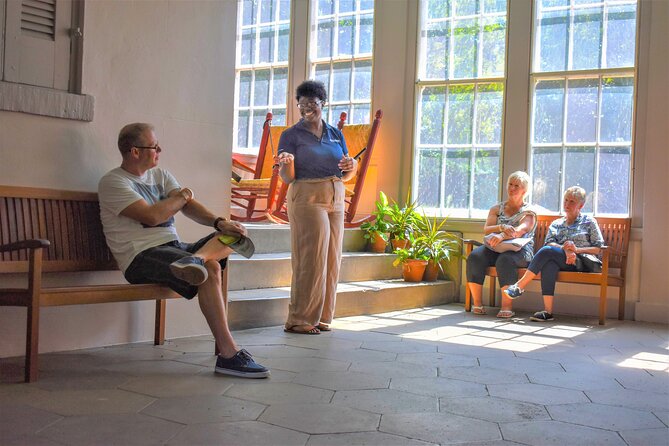
The guide may pause at different parts of the property and ask what you think happened in a given situation before explaining what the records show. That approach works well when the guide is prepared and comfortable leading a group conversation. Guides named in the experience feedback include Ben, Anastasia, Melissa, Tom, Jeff, Taryn, and Dan.
Several guides receive especially strong praise for making difficult material clear and personal. Ben is noted for his background in African and African American folklore and history. Anastasia is praised for a thoughtful presentation and for recommending resources for further study. Melissa is described as making the subject engaging through questions, while Tom is noted for a clear and entertaining presentation.
The quality of a discussion-based tour depends heavily on the person leading it. Most of the available feedback is very positive, but one poor experience described a guide who relied too much on notes and repeated that the records did not provide answers. That is a fair caution: this tour is less fixed than a recorded audio program, so the guide makes a real difference.
You may also find that the group does not respond equally to questions. One assessment praised the thought-provoking format but wished more people had joined the conversation. If you prefer a straight lecture with a predictable script, this format may feel less satisfying.
What you see around the Belle Meade grounds
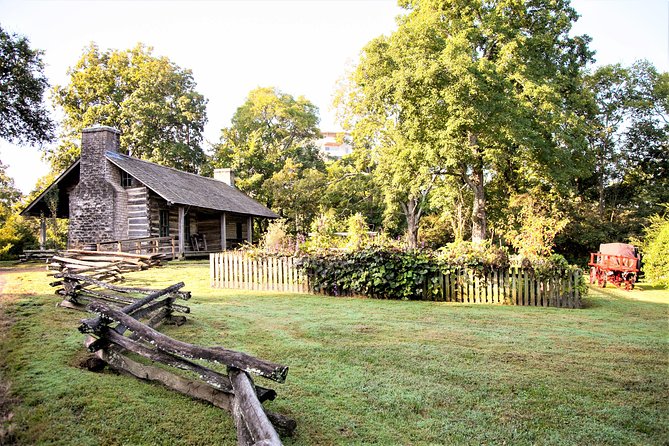
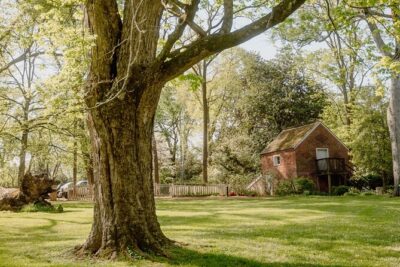
The physical setting helps place the discussion in context, but this is not a tour packed with restored rooms and original structures. You will visit outdoor areas, outbuildings, and grounds, with stops that help explain how the property functioned.
Some of the housing shown is reconstructed rather than original. That is important to understand before you arrive. The buildings can help you picture the cramped and controlled conditions of plantation life, but they are interpretations, not untouched evidence from the period.
The kitchen area and carriage house are among the parts that can add visual weight to the talk. A kitchen setting gives the guide a practical place to discuss work and daily routines. The carriage house provides another look at how the estate operated. The exact route and order may vary with the guide and conditions.
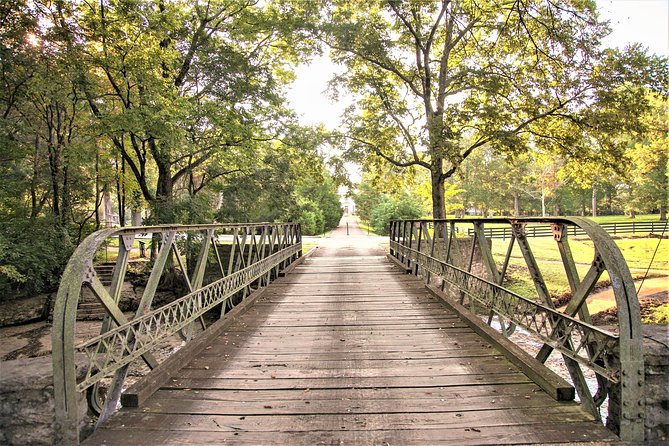
The grounds cover about 30 acres, so the visit does not end when the guide finishes. You can walk around on your own before or after the program, take photographs, visit the on-site restaurant, and use the outdoor game court. That extra time makes the $33 admission more useful, especially if you are not planning to buy the mansion ticket.
There is also a useful contrast between the beauty of the property and the hard lives being discussed. You are not asked to ignore the attractive setting, but you are encouraged to understand what made that setting possible. That tension is one of the strongest reasons to visit with the Journey to Jubilee program rather than simply stroll the grounds.
The mansion is separate, and that affects the value
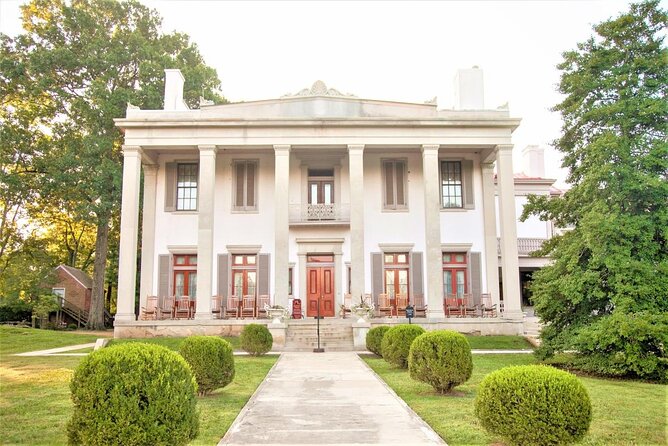
The word Belle Meade can lead you to assume that every admission includes the mansion. It does not. The Journey to Jubilee ticket covers the guided program, outbuildings, grounds, wine tasting, restaurant access, game court, and parking. A guided mansion tour must be purchased separately.
This distinction caused confusion for at least one person who expected to see the house. If the mansion is your main goal, check the separate admission before booking. You may decide to add it, or you may choose a different ticket altogether.
The mansion itself is not the center of this experience. That can be a benefit if you want the story of enslaved and formerly enslaved people placed first. It can be a disappointment if you want period interiors and a traditional house tour.
At $33 per person, the value is strongest for someone interested in interpretation, discussion, and time on the grounds. You are paying for a focused historical program, access to the property, and the wine tasting, not simply entry to a large collection of furnished rooms.
More Nashville wine tastings:
- Nashville Shopping Tour with Wine, Cocktails and Snacks
★ 4.0 · 29 reviews - Arrington Vineyard Winery Round-Trip Shuttle Transportation from Nashville
★ 4.0 · 23 reviews - Nashville: Whiskey or Wine and Chocolate Pairing Experience
★ 4.8 · 22 reviews - Whiskey or Wine Pairing with Chocolate Experience
★ 5.0 · 13 reviews
What the wine tasting adds
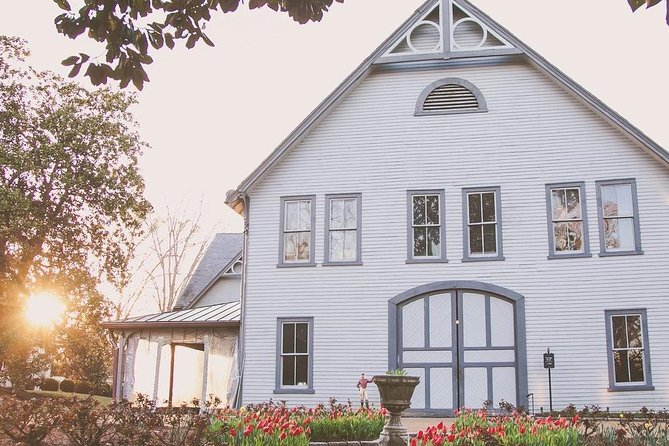
The wine tasting takes place at the on-site Belle Meade Winery after the tour. It is complimentary with this experience, and the preservation connection gives it a practical purpose beyond a casual drink.
Several accounts describe the tasting as a welcome finish. It gives you a chance to shift out of the serious walking discussion, compare notes, and spend more time at the property. The wine is described as decent and enjoyable, though the tasting should be viewed as an included extra rather than the central reason to book.
The winery also makes it easy to continue your visit without arranging another stop. You can pair the tasting with lunch at the on-site restaurant, though the meal is not included in the $33 price.
If you are uncomfortable with a wine-focused ending, the important point is that the educational program remains the main event. The tasting is part of the package, but you are not buying a winery visit with a short historical talk attached.
Timing, parking, and getting ready
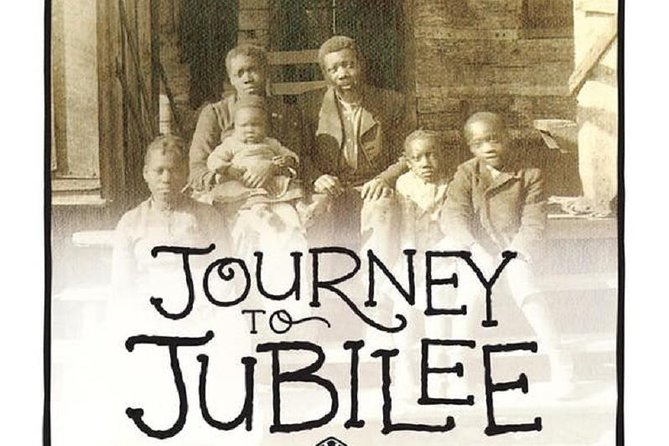
Belle Meade Historic Site and Winery is at 5025 Harding Pike in Nashville. Free on-site parking is available, which is useful if you are driving. The location is also near public transportation, though one account describes difficulty finding convenient taxi service to and from downtown.
Arrive 20 minutes early. Take your mobile confirmation to the visitor services desk, where staff will redeem the voucher and direct you to the tour. Do not assume you can walk straight to the group without checking in.
The group is limited to 20 people. That is a manageable size for a discussion, and it gives you a better chance to hear the guide and ask questions than a much larger tour would.
Wear shoes suitable for outdoor walking. The tour includes stairs and several periods of standing. The experience is limited to people age 12 and older because of the subject matter and the way it is presented. Service animals are allowed, and most people can take part, but the program is not recommended for anyone unable to stand or walk for extended periods of 30 minutes or more.
Because the tour takes place outside, weather matters. If poor weather cancels the activity, you are offered another date or a full refund. You can cancel for a full refund up to 24 hours before the start time. Changes or cancellations inside that 24-hour window are not accepted and are not refunded.
Who will get the most from this experience
I would choose Journey to Jubilee if you want a more direct discussion of slavery in Middle Tennessee and the lives of Black people connected to Belle Meade. It is also a good choice for families with older children, provided everyone is prepared for serious material and sustained walking.
The program suits you if you enjoy asking questions, considering evidence, and hearing how historians work with incomplete records. It is especially useful if you have already visited a traditional plantation house and want an account that gives more space to the people who were enslaved there.
You may prefer a standard mansion tour if you want architecture, furnishings, and a room-by-room presentation. You may also be disappointed if you expect a large number of original slave quarters or a highly visual exhibit. Some of the buildings are reconstructed, and several parts of the experience rely on the guide’s explanation rather than extensive displays.
The tone can vary with the guide. Strong leaders such as Ben, Anastasia, Melissa, and Tom are praised for clear delivery, empathy, questions, and personal command of the subject. Still, a discussion-based format means you should allow for some variation in pace and presentation.
Should you book Journey to Jubilee?
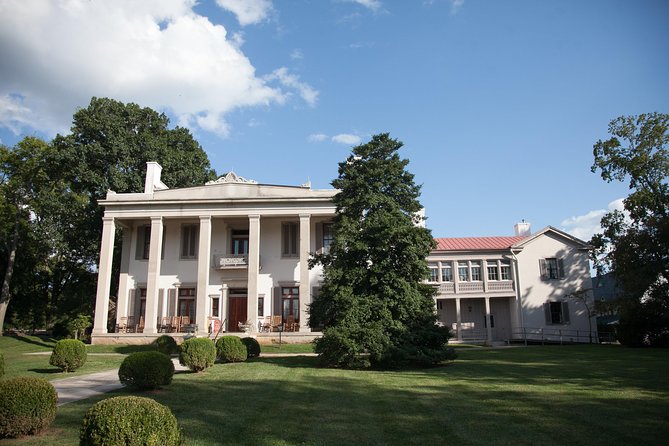
Book it if you want Belle Meade to address enslavement directly, not just present a beautiful house and grounds. The combination of primary-source research, stories of Black workers from slavery through contract labor, free time on 30 acres, and a wine tasting makes this a worthwhile Nashville outing for people who value context over spectacle.
Before booking, confirm that you want the Journey to Jubilee program rather than the mansion tour. Arrive early, plan for stairs and outdoor standing, and leave two to three hours if you want time for the grounds, tasting, and possibly lunch.
At $33, I consider it a fair price for the guided experience and property access. I would not choose it solely for the wine or the buildings. I would choose it because the tour asks you to look past the plantation’s attractive surface and pay attention to the people whose work and lives shaped Belle Meade.
FAQ
Where does the Journey to Jubilee tour start?
The tour starts at Belle Meade Historic Site and Winery, located at 5025 Harding Pike, Nashville, Tennessee 37205.
How long does the guided tour last?
The experience is described as approximately one hour, while another description gives the guided portion as one hour and a half. Allow extra time in your schedule.
What does the $33 ticket include?
It includes the Journey to Jubilee guided walking tour, a professional guide, access to Belle Meade’s outbuildings and grounds, a complimentary wine tasting, access to the restaurant and outdoor game court, and free on-site parking.
Is the mansion tour included?
No. The guided mansion tour is not included with this ticket and can be purchased separately.
Can I explore Belle Meade after the guided tour?
Yes. You can continue exploring the 30-acre grounds at your own pace after the guided program.
Is the wine tasting included?
Yes. A complimentary wine tasting at the on-site Belle Meade Winery is included.
Is the tour suitable for children?
The tour is limited to people age 12 and older because of the subject matter and interpretive approach.
Does the tour require much walking?
Yes. It takes place outdoors and includes walking, several sets of stairs, and periods of standing. It is not recommended for people who cannot stand or walk for 30 minutes or more.
Can I cancel for a refund?
Yes. You can cancel at least 24 hours before the start time for a full refund. Cancellations or changes made less than 24 hours before the start time are not refunded.
Just added in Nashville
- Honky Tonk Party Shuttle Airport★ 4.0 · 3 reviews
- Nashville’s Hidden Gems E-bike Tour★ 5.0 · 3 reviews
- Airport to Hotel Private Transfer★ 5.0 · 3 reviews
- Nashville: 1-Hour Escape Room Adventure in Opry Mills★ 5.0 · 3 reviews
- Nashville: Drinkers & Thinkers Pub Crawl★ 5.0 · 3 reviews
- Nashville Airport: One-Way Private Transfer to Nashville★ 3.7 · 3 reviews
- Nashville: Custom Perfume or Cologne Making Experience★ 5.0 · 3 reviews
- Tennessee Fall Colors Hiking Tour★ 5.0 · 3 reviews
Nashville History & Civil Rights Tours, compared.
Belle Meade Guided Mansion Tour with Complimentary Wine Tasting
Read our review →
Civil War Tour with Lotz House, Carter House & Carnton Admission from Nashville
Read our review →
Nashville Unveiled: The History, Music, and Hacks Tour!
Read our review →
Belmont Mansion General Admission Ticket in Nashville
Read our review →
Civil War History Tour – The Battle of Franklin, Tennessee
Read our review →
Legends of Music City Guided Historical Walking Tour
Read our review →
Browse the lists this tour appears in