
Reviewed · NASHVILLE E-BIKE & BIKE TOURS
Nashville’s Historic Electric Bike Tour
Nashville’s music story comes into focus when you ride beyond Lower Broadway. This two-hour electric bike tour links recording studios, honky-tonks, old factories, sports venues, and government buildings in one fast-moving loop. You cover much more ground than you would on foot, yet still pause often enough for photos and stories.
I like the helmet audio system, which lets your guide keep talking while the group rides. I also like the mix of famous stops and less polished neighborhoods, from Music Row and Printer’s Alley to Marathon Village and Bicentennial Capitol Mall State Park. Guides such as Bee, Bea, Cash, and Donny have earned praise for humor, local stories, and careful bike instruction.
The main thing to consider is traffic. Parts of the route run near busy streets, construction, and uneven conditions, and the pace can feel quick if you are new to city cycling. The electric assist helps with Nashville’s hills, but you still need to mount, dismount, steer, pedal, and use the bike safely for about two hours.
In This Review
- Key points to know before booking
- Why an e-bike is a smart way to meet Nashville
- Starting downtown with a short safety briefing
- Music Row and the recording side of Nashville
- Lower Broadway, Printer’s Alley, and the city after dark
- Marathon Village and Nashville’s industrial past
- The Gulch, Union Station, and a useful intermission
- Sports, museums, and Nashville’s civic center
- Bicentennial Capitol Mall State Park and the Tennessee Capitol
- How the narration works in real city traffic
- Price, timing, and who gets the most from it
- Should you book Nashville’s Historic Electric Bike Tour?
- FAQ
- How long is Nashville’s Historic Electric Bike Tour?
- Where does the tour begin and end?
- How much does the tour cost?
- What equipment is included?
- Is the tour suitable for beginners?
- How many people can join the tour?
- Are museum admissions included?
- What happens if the weather is bad?
- Can I cancel for a full refund?
Key points to know before booking
- See far more than Broadway: The route connects Music Row, Printer’s Alley, Marathon Village, The Gulch, the Capitol area, and major sports venues.
- Listen while you ride: A personal listening device built into the helmet helps you follow the guide without stopping for every explanation.
- Electric assist handles the hills: You get light exercise, with pedal assist and a throttle available to help when the streets rise.
- Small groups keep the tour personal: The maximum is 12 people, which makes it easier to hear instructions and ask questions.
- Expect a history-and-music focus: The tour gives more attention to Nashville’s development and recording culture than to entering major attractions.
- Allow extra time for traffic: The scheduled two hours includes about 10 minutes of orientation and a 10-minute intermission.
Why an e-bike is a smart way to meet Nashville
Nashville spreads well beyond its central honky-tonk strip. Walking from Broadway to Music Row, Marathon Village, the Gulch, and the Capitol area would take much of your day, while a car or golf cart can leave you feeling removed from the neighborhoods.
The electric bike gives you a useful middle ground. You move quickly enough to cover the city’s major districts, but you remain outdoors and close to the streets. You can see the change from tourist-heavy Broadway to recording offices, restored industrial buildings, university grounds, rail architecture, and state government.
You will pedal, but this is not a strenuous cycling workout. Several people have found the ride comfortable and said the pedal assist made short work of the hills. The throttle gives an extra boost when needed, though you must still be able to power the bike without help at times.
The ride includes helmets, safety vests, bicycles, and a personal listening device. The bikes were generally praised as being in good condition, though one ride included problems with brakes, flat tires, bells, and uncomfortable seats. That appears to be an exception rather than the normal experience, but check your bike before leaving and tell the guide at once if something feels wrong.
More Nashville bike tours:
- Nashville E-Bike Tour: Explore the Heart of Music City
★ 5.0 · 444 reviews - Downtown Nashville’s Hidden Gems E-bike Tour
★ 5.0 · 372 reviews - The Original Music City Electric Bicycle Guided City Tour 16miles
★ 5.0 · 354 reviews
Starting downtown with a short safety briefing
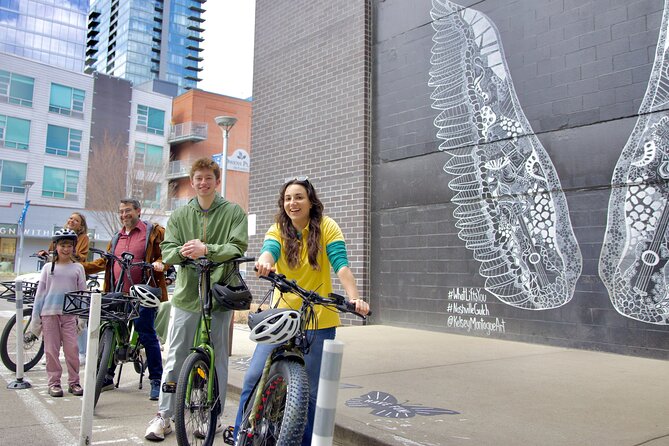
You meet at 144 5th Ave N in the center of Downtown Nashville. The opening 5-minute stop is mainly for equipment, introductions, and instructions. Plan to arrive ready to listen, because the guide will explain how to mount, dismount, operate, and ride the e-bike safely.
This matters more than it might on a quiet bike path. Nashville has traffic, pedestrians, construction, and changing road conditions. If you are uneasy on bikes, say so before the group heads out. Bea and Bee have both been praised for helping nervous riders, but you should be comfortable with an adult-sized bicycle before booking.
The group can include up to 12 people. Tours may begin about five minutes early or late because of traffic and earlier groups, and the actual ride can be shorter or longer than two hours.
Music Row and the recording side of Nashville
Music Row is one of the most useful early stops because it explains the part of Nashville you do not see from Broadway. This district grew around recording studios, record labels, artist management offices, and the businesses that support the music trade.
As you ride, your guide points out places linked with major names such as Elvis Presley, Dolly Parton, Johnny Cash, Taylor Swift, Beyoncé, Adele, Garth Brooks, Reba, Sting, and many others. The value here is not simply spotting a building. You begin to understand that Nashville’s music business is a working network, not just a collection of bars with guitars.
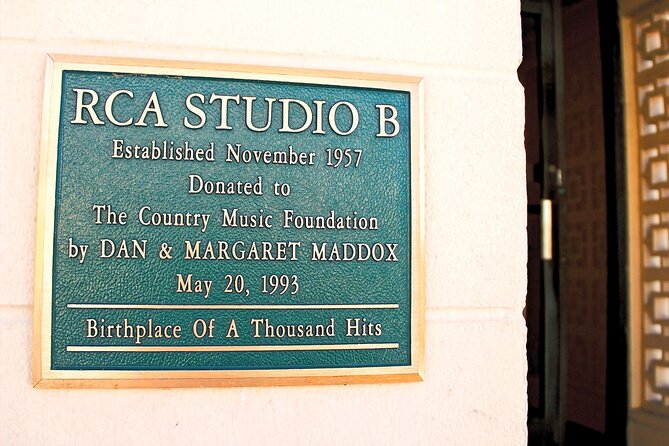
The route returns to Music Row later, making it a central theme of the tour. You also pass RCA Studio B, built in 1957 and associated with the Nashville Sound. The studio helped popularize a polished style using background vocals and strings, and it became an important recording place for Elvis, Dolly Parton, Patsy Cline, and Johnny Cash.
The tour passes the studio but does not include admission. That distinction is important. If you want an interior visit, you need to arrange it separately, and the bike tour itself is best understood as an introduction to the area.
As you leave Music Row, you briefly skim the southern edge of Vanderbilt University. The iron fencing, magnolia trees, and campus setting offer a different view of Nashville, one tied to education rather than music venues.
Lower Broadway, Printer’s Alley, and the city after dark

The famous five-block strip of Lower Broadway is the city’s honky-tonk center. You pass venues such as Ole Red, Luke’s 32 Bridge, Acme Feed and Seed, Kid Rock’s, Hard Rock Cafe, Robert’s Western World, and Redneck Riviera.
The tour does not turn Broadway into a bar crawl. Instead, you see how compact the entertainment district is and how different it is from Music Row. Broadway is built for live music, drinks, dancing, and constant foot traffic, while Music Row is tied to recording and music production.
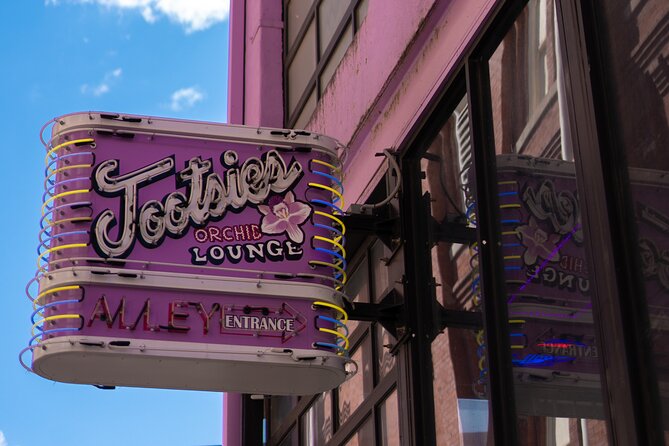
You also swing by one of the best-known honky-tonks on the strip, recognized by its purple exterior. The venue has hosted generations of country performers and remains part of the city’s working music culture. Your stop is brief, so do not expect a concert or extended time inside.
Printer’s Alley offers a sharper change of mood. Nashville’s original entertainment quarter once included burlesque shows, gun ranges, speakeasies, and clubs. Today, it remains a compact nightlife district tucked away from Broadway’s crowds.
The official stop here lasts about five minutes and includes admission. That wording does not mean you receive a full museum visit or a long indoor program. Think of it as a short pause for context, photos, and a look at a street with a surprisingly varied past.
A completely different sort of day in Nashville:
- Nashville Hop On Hop Off Trolley Tour
★ 4.5 · 5,643 reviews - Nashville: Food Tour with 5+ Tastings of Local Delicacies
★ 5.0 · 2,704 reviews - Best of Nashville City Sightseeing Tour on Double Decker Bus
★ 4.5 · 2,601 reviews - Explore the City of Nashville Sightseeing Tour by Golf Cart
★ 5.0 · 2,544 reviews
Marathon Village and Nashville’s industrial past
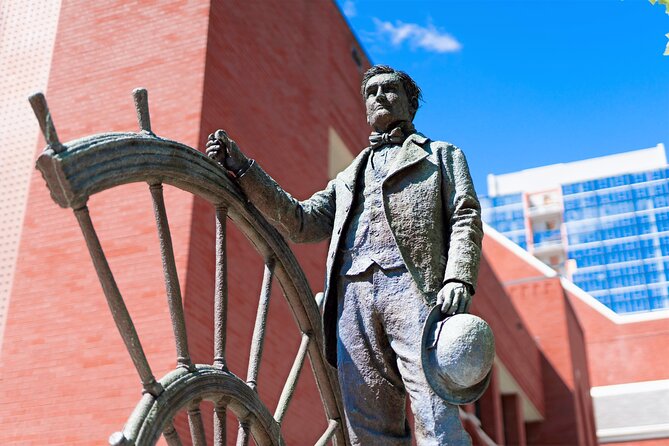
Marathon Village occupies a former early 20th-century vehicle factory. The old industrial site now houses local craftspeople, artists, shops, and specialty businesses.
You may see the Jack Daniel’s Store, Nelson’s Greenbrier Distillery, and Antique Archaeology, the Nashville location connected with American Pickers. This is one of the more rewarding parts of the route for anyone who wants something beyond music venues.
The five-minute stop gives you a taste rather than a full shopping visit. If a particular store interests you, return later on foot or by car. The bike tour moves on, so you will not have much time to browse.
The Gulch, Union Station, and a useful intermission
The Gulch is Nashville’s newer, polished district, with hotels, restaurants, shops, murals, and public art. The route includes a 10-minute intermission here, which gives you a chance to stretch, take photos, and catch your breath.
One popular photo point is the pair of white wings painted by Kelsey Montague. The photo opportunity depends on crowd levels, weather, and availability, so treat it as a possibility rather than a guarantee.
The Gulch also offers a quick look at Station Inn, a major name in bluegrass music. You pass Nashville’s Union Station as well, a former railway terminal with a restored exterior that now houses a luxury boutique hotel. The building helps explain how rail travel once connected Nashville with the wider South.
This pause is well placed. The tour is not a long workout, but riding, stopping, and starting in city traffic can be tiring. Use the break to check your helmet, water, and bike before heading onward.
Sports, museums, and Nashville’s civic center
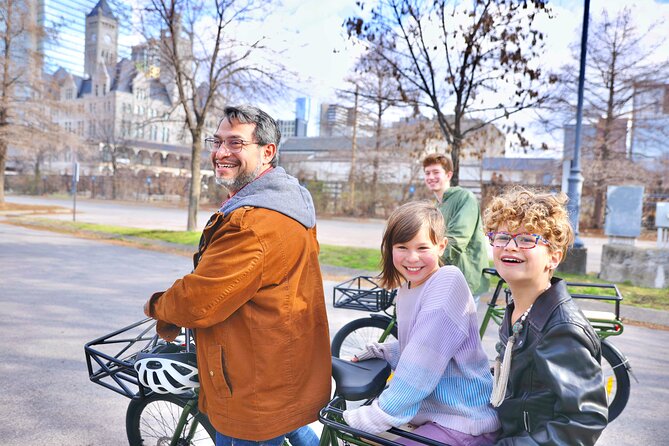
The route passes Nissan Stadium, home of the Tennessee Titans, along the river. It also passes Bridgestone Arena, home of the Nashville Predators and a major venue for concerts, award shows, circuses, and college basketball events.
These stops work best for sports fans, but they also show how much Nashville’s identity has expanded beyond country music. The city now draws large sporting events and touring entertainment year-round.
You pass the Country Music Hall of Fame and Museum, one of the world’s major institutions devoted to American popular music. You also see the Musicians Hall of Fame and Museum, which honors instrumentalists, studio performers, and other people who worked behind the scenes.
The distinction between those two museums is useful. The Country Music Hall of Fame focuses on the larger story of the genre and its artists. The Musicians Hall of Fame gives more attention to the players and technical talent who helped create recordings across many styles.
The route also passes Municipal Auditorium. This longtime venue has hosted artists and events ranging from Elvis Presley and Lionel Richie to Aerosmith, Post Malone, and televised music awards.
None of these museum and venue stops includes a full interior visit. You are identifying the buildings and hearing why they matter. If you plan to visit a museum, save that for another block of time.
Bicentennial Capitol Mall State Park and the Tennessee Capitol
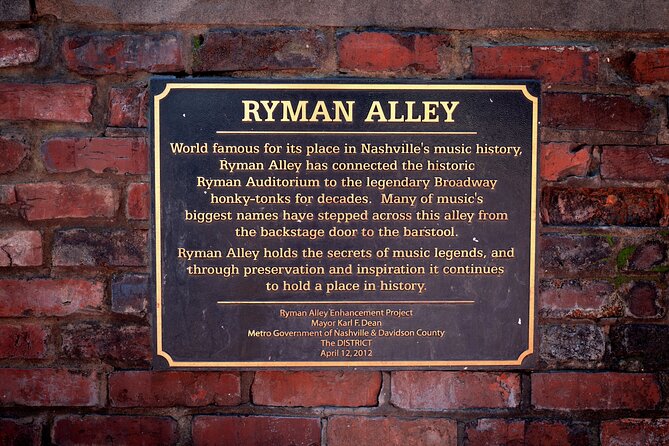
Bicentennial Capitol Mall State Park is one of the most pleasant open spaces on the route. Created to mark Tennessee’s 200th anniversary, the park includes more than a dozen points of interest and offers strong photo opportunities.
The 10-minute stop breaks up the denser downtown streets. It also gives your guide room to explain Tennessee’s state identity and Nashville’s role as the capital.
Nearby, the Tennessee State Capitol houses the legislature and governor’s office. The Greek Revival building offers free tours and panoramic city views, but that tour is not part of the e-bike experience. You will see the building from the outside and can return later if you want the interior visit.
This is a good example of how to use the bike tour as a first look. It helps you mark places to revisit, rather than trying to replace every museum, historic building, and music venue in Nashville.
How the narration works in real city traffic
The helmet audio is one of the tour’s strongest practical features. Your guide can talk while you ride, so you receive a steady stream of local history instead of stopping at every corner.
Bee and Bea have been praised for energy, humor, and clear safety guidance. Cash is especially associated with strong explanations of Music Row and Nashville’s music business, while Donny has been praised for watching the group and keeping the ride safe.
Audio quality can vary with conditions. Traffic, construction, and city noise sometimes make the guide harder to hear, and one ride had intermittent sound. Even so, the system is a major improvement over trying to hear a guide from the back of a cycling group.
The commentary leans toward history and local context. If your main goal is to stop at every famous tourist attraction, you may find the route less satisfying than expected. If you want to understand how Nashville’s music industry, neighborhoods, sports venues, and civic buildings fit together, the storytelling adds real value.
Price, timing, and who gets the most from it
At $69.99 per person, the tour is fairly priced for a two-hour guided experience that includes the bike, helmet, vest, audio equipment, and discounts for other tours and attractions.
The value depends on how you use it. You are paying for transportation between far-flung sights, local narration, bike equipment, and the chance to cover several neighborhoods in one outing. You are not paying for museum admissions, a meal, a concert, or long stops inside attractions.
I would take this near the beginning of a Nashville visit. It gives you a mental map of Broadway, Music Row, the Gulch, Marathon Village, the Capitol area, and the sports district. You can then decide where to return for a longer visit.
The experience is offered in English and uses a mobile ticket. It is near public transportation and usually suits people who can safely operate an e-bike. It is not suitable for someone who cannot pedal or reach the controls, weighs more than 350 pounds, is pregnant, has a condition that prevents safe operation, or appears intoxicated.
Free cancellation is available up to 24 hours before the start time. Changes or cancellations inside that window are not refunded, and bad weather can lead to a new date or a full refund.
Should you book Nashville’s Historic Electric Bike Tour?
Book it if you want a broad first look at Nashville and feel comfortable cycling near traffic. The combination of electric assistance, helmet narration, small groups, and a route that reaches beyond Broadway makes it a strong choice for couples, families with capable adult riders, and friends who want light exercise with their sightseeing.
Skip it if you want long visits inside museums, a slow bar-by-bar tour of Broadway, or a completely traffic-free ride. You should also choose another way to see Nashville if mounting, dismounting, or steering an adult bike is difficult.
For most active visitors, I would book it early in the trip and keep the rest of the day flexible. You will see the city’s major music landmarks, learn where the locals work and gather, and finish with a much better sense of what lies beyond the neon signs.
FAQ
How long is Nashville’s Historic Electric Bike Tour?
The experience is scheduled for about two hours. This includes roughly 10 minutes of orientation, about 1 hour and 40 minutes of riding and sightseeing, and a 10-minute intermission.
Where does the tour begin and end?
It begins at 144 5th Ave N, Nashville, Tennessee 37219. The tour returns to the same meeting point.
How much does the tour cost?
The listed price is $69.99 per person.
What equipment is included?
The price includes use of an electric bicycle, a helmet, a safety vest, and a personal listening device. You also receive access to discounts for additional tours and attractions.
Is the tour suitable for beginners?
You do not need to be an experienced cyclist, but you must be able to safely mount, dismount, walk with, and operate an adult-sized electric bike. You must also be able to pedal without assistance when needed.
How many people can join the tour?
The maximum group size is 12 people.
Are museum admissions included?
The tour passes the Country Music Hall of Fame and Museum, Musicians Hall of Fame and Museum, and RCA Studio B, but admission to RCA Studio B is specifically not included. The route is mainly an exterior sightseeing and storytelling experience.
What happens if the weather is bad?
The tour requires good weather. If poor weather causes a cancellation, you will be offered another date or a full refund.
Can I cancel for a full refund?
Yes, if you cancel at least 24 hours before the experience begins. Cancellations or changes made less than 24 hours before the start time are not accepted for a refund.
Just added in Nashville
- Honky Tonk Party Shuttle Airport★ 4.0 · 3 reviews
- Nashville’s Hidden Gems E-bike Tour★ 5.0 · 3 reviews
- Airport to Hotel Private Transfer★ 5.0 · 3 reviews
- Nashville: Drinkers & Thinkers Pub Crawl★ 5.0 · 3 reviews
- Nashville: 1-Hour Escape Room Adventure in Opry Mills★ 5.0 · 3 reviews
- Nashville Airport: One-Way Private Transfer to Nashville★ 3.7 · 3 reviews
- Nashville: Custom Perfume or Cologne Making Experience★ 5.0 · 3 reviews
- Tennessee Fall Colors Hiking Tour★ 5.0 · 3 reviews
Nashville E-Bike & Bike Tours, compared.

Nashville E-Bike Tour: Explore the Heart of Music City
Read our review →
The Original Music City Electric Bicycle Guided City Tour 16miles
Read our review →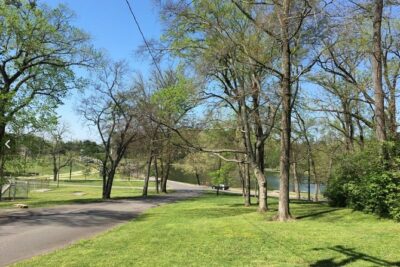
E-bike Rental to Explore Nashville (2 or 4 hours)
Read our review →


Private Bike Taxi Tour: Nashville’s Downtown and Hidden Gems
Read our review →
Browse the lists this tour appears in