
Reviewed · NASHVILLE HISTORY & CIVIL RIGHTS TOURS
Civil Rights Tour Of Nashville
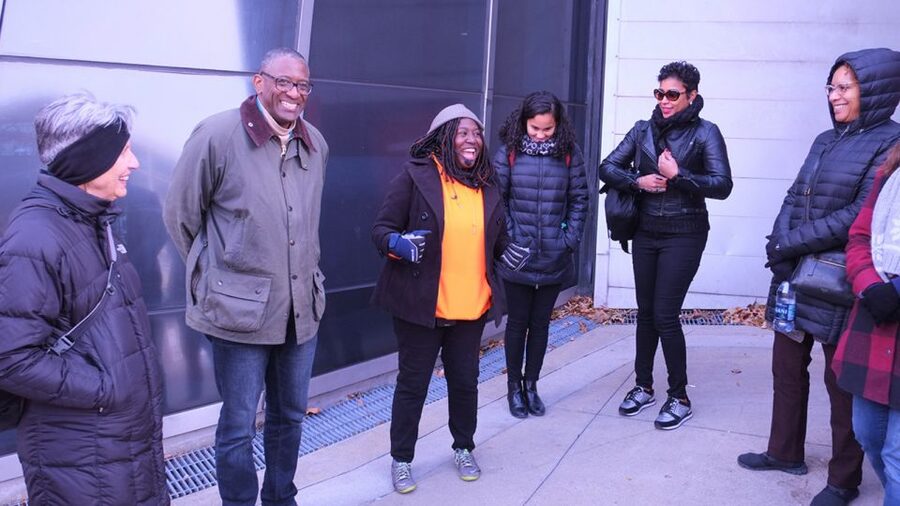
Nashville’s Civil Rights story reaches far beyond country music. On this focused walking tour, you’ll visit places tied to the student-led sit-ins of the 1950s and 1960s, including the Woolworth lunch counter where nonviolent protest helped change public life. Chiquita’s storytelling gives the tour a human voice, with special attention to the planning and courage behind the demonstrations.
I like two things right away: the tour takes you to specific sites rather than offering a broad city lecture, and it connects Nashville’s past to current questions about race and inclusion. I also like the chance to see the Civil Rights room at the city library and the new Woolworth space, where the old lunch counter carries both memory and meaning.
The main consideration is the price. At $298 per person for a roughly two-hour experience, this is a costly short tour, especially if you are comparing it with general Nashville sightseeing walks. The value rests on the guide, the subject, and the personal focus of the experience, not on a long list of included attractions.
In This Review
- Key points at a glance
- Why Nashville’s Civil Rights story matters
- Meeting at 501 Broadway
- Sitting at the Woolworth lunch counter
- The city library’s Civil Rights room
- Rare sights and the offbeat route
- Chiquita’s role as guide
- Is $298 a fair price?
- Who will enjoy this walking tour?
- Timing, cancellation, and what to bring
- Should you book the Civil Rights Tour of Nashville?
- FAQ
- Where does the Civil Rights Tour of Nashville meet?
- How long does the tour last?
- What language is the tour conducted in?
- Who guides the tour?
- What are the main sites on the tour?
- What should I bring?
- Is the tour wheelchair accessible?
Key points at a glance
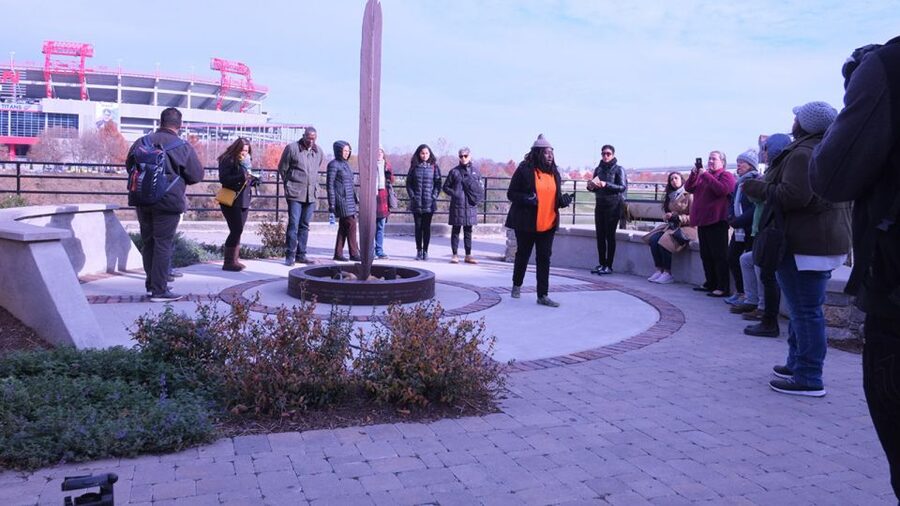
- The Woolworth lunch counter: Sit at the place linked to Nashville’s famous student sit-ins and consider what made the protest both difficult and effective.
- Chiquita’s personal storytelling: Her account focuses on the organization behind the demonstrations, not only the dramatic moments.
- A different side of Nashville: The route moves away from the usual music-first view of the city.
- The library’s Civil Rights room: This is one of the tour’s most appealing interior stops, with a setting suited to reflection and photos.
- A compact walking format: Plan for about two hours overall, with the walking portion described as about 1.5 hours.
- A serious subject with a direct tone: The tour treats Civil Rights as American history and as an ongoing question about equality.
Why Nashville’s Civil Rights story matters

Nashville is often introduced through honky-tonks, recording studios, and country music. This tour changes the frame. It shows you a city where students at predominantly Black universities helped lead organized, nonviolent protests during the Civil Rights era.
That detail matters because it shifts the story away from a few famous national figures. You hear about local students, local businesses, and local decisions. The movement becomes something planned by people who lived, studied, worked, and protested in Nashville.
I appreciate that the tour presents the movement as part of American history, not a separate subject reserved for African American history. That approach gives you a clearer sense of the wider stakes. The sit-ins were about lunch counters, but they also challenged who could enter public spaces, who could receive service, and who had to accept unfair rules.
The experience also asks you to compare those events with current questions about diversity and inclusion. That can make the tour feel more relevant, though it also means this is not a light sightseeing walk. You should expect a thoughtful discussion, not just a series of quick photo stops.
More Nashville history tours:
- Belle Meade Guided Mansion Tour with Complimentary Wine Tasting
★ 4.5 · 2,189 reviews - Civil War Tour with Lotz House, Carter House & Carnton Admission from Nashville
★ 5.0 · 522 reviews - Journey to Jubilee Guided Tour at Belle Meade with Wine Tasting
★ 4.5 · 396 reviews
Meeting at 501 Broadway
The tour begins by the front door of the Nashville Visitor Center at 501 Broadway. This is a practical meeting point in a central part of the city, and it gives you a clear place to begin before heading toward the Civil Rights sites.
Arrive ready to walk. Comfortable shoes are specifically recommended, and that advice is worth following. The experience is listed as two hours, while the walking portion is described as 1.5 hours. The difference may allow time for introductions, indoor stops, or discussion, but you should keep the full two-hour period open.
The format is intimate in spirit, even though the supplied details do not state a group size. You spend the time with a live English-speaking guide rather than following an audio recording. That matters here because the subject depends on explanation and context. A building or counter can look ordinary until someone explains what took place there and why it mattered.
Sitting at the Woolworth lunch counter

The Woolworth lunch counter is the emotional center of the tour. You can sit at the counter connected with the Nashville sit-ins, then see how the present-day Woolworth space reflects the changes activists fought for.
The power of this stop comes from its plainness. A lunch counter is an everyday object. It is not a monument in the usual sense, yet it became a place where segregation was challenged in public, one seat at a time. Sitting there gives the story a physical point of reference.
Chiquita’s account is especially useful because it focuses on the organization behind the sit-ins. Courage mattered, but courage alone does not explain how such protests worked. Students had to coordinate, remain disciplined, and commit to nonviolence under pressure. That practical side often gets lost when Civil Rights stories are reduced to a few dramatic images.
The modern Woolworth setting adds another layer. You see a place shaped by a painful past that now represents change. It is worth taking a moment here rather than treating the counter as a quick photo opportunity.
You should also keep your expectations measured. The information provided does not promise a museum-style exhibit or a long indoor presentation at Woolworth. The value comes from being at the site and hearing the story placed around it.
The city library’s Civil Rights room
Another featured stop is Nashville’s beautiful library, including its Civil Rights room. This gives the tour a change of pace. After the street-level setting of the lunch counter, the library offers a quieter place to look at the movement through a civic and educational lens.
The room is also one of the strongest photo opportunities mentioned for the tour. Still, the best reason to visit is not decoration. A Civil Rights room in a public library makes the subject part of the city’s shared record. It suggests that these events belong in the places where a community teaches itself about its past.
The exact displays and layout can change, so you should not book this expecting a fixed museum collection. What you can count on is a stop tied directly to the Civil Rights story and a chance to slow down during the walking route.
This part of the experience may appeal most to you if you like connecting major events with local institutions. Nashville’s story is not only found at a former business. It also appears in the civic spaces where residents preserve, present, and discuss their past.
A completely different sort of day in Nashville:
- Nashville Hop On Hop Off Trolley Tour
★ 4.5 · 5,643 reviews - Nashville: Food Tour with 5+ Tastings of Local Delicacies
★ 5.0 · 2,704 reviews - Best of Nashville City Sightseeing Tour on Double Decker Bus
★ 4.5 · 2,601 reviews - Explore the City of Nashville Sightseeing Tour by Golf Cart
★ 5.0 · 2,544 reviews
Rare sights and the offbeat route
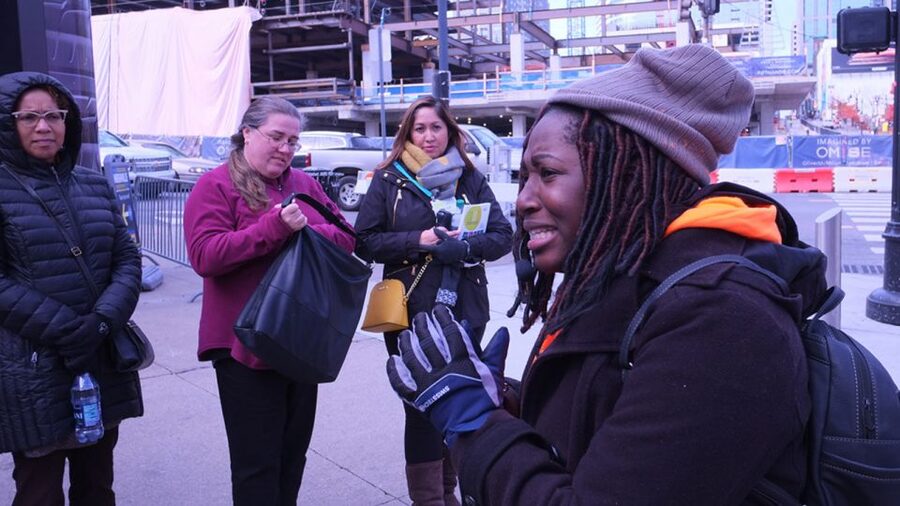
The tour promises rare and unusual sights, local hideaways, and a behind-the-scenes look at Music City. The provided details do not name every stop, so I would not treat this as a checklist of specific landmarks.
Instead, think of the route as a way to see Nashville through a different subject. You may pass places that mean little on a standard music tour but become important when your guide explains their connection to protest, public life, or the city’s Black educational institutions.
That offbeat approach is a real advantage for repeat visitors. If you have already visited the major music attractions, this tour can give you a fresh reason to walk through central Nashville. It also helps first-time visitors understand that the city’s identity cannot be reduced to stages and guitars.
The photo opportunities sound appealing, but the images are secondary. The best moments are likely to come when a familiar street, building, or interior takes on new meaning through the story. Bring a phone or camera if you like, but keep your attention on the guide.
Chiquita’s role as guide
The strongest personal detail attached to this experience is Chiquita. Her storytelling about the lunch counter sit-ins and the organization that made them possible is central to the tour’s appeal.
I would choose this experience mainly for that human delivery. Civil Rights sites can be moving, but a good guide helps you understand cause and effect. Chiquita’s approach, as described, brings attention to the students’ planning and the structure behind the action.
The tour is also described as fun and informative. That does not mean the subject is treated casually. It suggests a guide who can keep the walk accessible while still dealing with painful and serious events.
Guide quality can vary from one date to another, so Chiquita’s presence is worth checking if that is important to you. She is specifically associated with the experience, but the booking details do not promise that every departure will be led by her.
Is $298 a fair price?
The listed cost is $298 per person. For a two-hour tour, that is expensive. You are paying far more than you would for a basic self-guided walk, a general city tour, or many longer group excursions.
The price can make sense if you place high value on a focused subject, a live guide, and access to sites that are easy to miss on your own. Entrance fees, when applicable, are included, and the tour is built around interpretation rather than simple transportation between landmarks.
Still, you should compare the cost with your own interests. If you want a broad introduction to Nashville, this is not the most efficient choice. You will spend the time on the Civil Rights story, not on a wide mix of music, food, architecture, and nightlife.
For a visitor who cares deeply about American social history, the short format may be useful. You can fit it into a busy Nashville schedule without giving up half a day. The cost is hardest to justify if you are mainly looking for cheap sightseeing or a long list of stops.
Who will enjoy this walking tour?
I would recommend it to you if you want to:
- Understand Nashville’s role in the Civil Rights Movement
- Visit the Woolworth lunch counter connected with the sit-ins
- Hear how student activists organized nonviolent protest
- See a less familiar side of the city
- Connect historic events with modern questions about equality
- Walk with a live English-speaking guide rather than explore alone
Families with older children, students, educators, and visitors interested in American history may find the subject especially worthwhile. The tour can also suit repeat Nashville visitors who have already covered the main music attractions.
It may not suit you if you want a relaxed entertainment walk with little discussion of difficult events. The subject is serious, and the value depends on your willingness to listen and reflect.
The tour is described as wheelchair accessible in the activity details, but the same information also says it is not suitable for wheelchair users. That conflict needs clarification before booking. Contact the provider directly rather than relying on the general accessibility label.
Timing, cancellation, and what to bring
You should allow two hours, even though the walking portion is described as 1.5 hours. The tour is offered at set starting times, so check the available departures for your date.
Comfortable shoes are the only stated item to bring, but they are important. This is a walking experience with several stops, and you will get more from it if you are not distracted by sore feet.
Cancellation is flexible up to 24 hours before the start time for a full refund. You can also reserve now and pay later, which helps if you are still arranging your Nashville plans.
The tour is conducted in English. Entrance fees are included when applicable, and a professional guide is provided.
Should you book the Civil Rights Tour of Nashville?
Book this tour if Nashville’s Civil Rights story is a main reason for your visit, or if you want a serious counterpoint to the city’s music-centered image. The Woolworth lunch counter, the library’s Civil Rights room, and Chiquita’s account of student organization give the experience a clear purpose.
Think carefully about the price. At $298 per person, this is not a casual add-on. I would choose it for the focused access and storytelling, not because it covers a large part of Nashville in a short time.
If you want a meaningful, compact walk with a strong local subject, it can be worth the splurge. If you prefer broad sightseeing or need confirmed wheelchair access, ask questions first and compare other options.
FAQ
Where does the Civil Rights Tour of Nashville meet?
Meet by the front door of the Nashville Visitor Center at 501 Broadway.
How long does the tour last?
The activity is listed as two hours. The walking portion is described as about 1.5 hours.
What language is the tour conducted in?
The tour is conducted in English with a live English-speaking guide.
Who guides the tour?
Chiquita is specifically associated with the experience and is praised for her storytelling about the lunch counter sit-ins and the organization behind them. The supplied details do not guarantee that she leads every departure.
What are the main sites on the tour?
The tour includes the Woolworth lunch counter connected with the sit-ins and Nashville’s library with its Civil Rights room. It also visits other rare sights and local places connected with the city’s Civil Rights story.
What should I bring?
Bring comfortable shoes for the walking route.
Is the tour wheelchair accessible?
The activity details describe it as wheelchair accessible, but the same information also says it is not suitable for wheelchair users. Confirm the current conditions with the provider before booking.
Just added in Nashville
- Honky Tonk Party Shuttle Airport★ 4.0 · 3 reviews
- Nashville’s Hidden Gems E-bike Tour★ 5.0 · 3 reviews
- Airport to Hotel Private Transfer★ 5.0 · 3 reviews
- Nashville: 1-Hour Escape Room Adventure in Opry Mills★ 5.0 · 3 reviews
- Nashville: Drinkers & Thinkers Pub Crawl★ 5.0 · 3 reviews
- Nashville Airport: One-Way Private Transfer to Nashville★ 3.7 · 3 reviews
- Nashville: Custom Perfume or Cologne Making Experience★ 5.0 · 3 reviews
- Tennessee Fall Colors Hiking Tour★ 5.0 · 3 reviews
Nashville History & Civil Rights Tours, compared.

Belle Meade Guided Mansion Tour with Complimentary Wine Tasting
Read our review →
Civil War Tour with Lotz House, Carter House & Carnton Admission from Nashville
Read our review →
Journey to Jubilee Guided Tour at Belle Meade with Wine Tasting
Read our review →
Nashville Unveiled: The History, Music, and Hacks Tour!
Read our review →
Belmont Mansion General Admission Ticket in Nashville
Read our review →
Civil War History Tour – The Battle of Franklin, Tennessee
Read our review →
Legends of Music City Guided Historical Walking Tour
Read our review →
Browse the lists this tour appears in