
Reviewed · NASHVILLE HISTORY & CIVIL RIGHTS TOURS
Nashville African American History & Civil Rights Walking Tour
Nashville’s story is bigger than country music and neon signs. This two-hour walking tour links African American history and civil rights with the city’s best-known sights, from the Nashville Visitor Center and Lower Broadway to the National Museum of African American Music and the Davidson County Courthouse.
I like two things here. First, the route puts Nashville’s music culture in a wider frame, showing how Black musicians and local civil rights leaders shaped the city. Second, it mixes major sights with street art, food talk at Assembly Food Hall, and local stories that you could easily miss on your own. The guide, Chiquita, is praised for her passion and strong command of the subject.
The main consideration is the pace. You cover several downtown stops in about two hours, so this is more of an outdoor introduction than a full museum visit. You’ll also need a moderate level of fitness, and poor weather can lead to a rescheduled tour or refund.
In This Review
- Key Points at a Glance
- Nashville’s Story Begins at the Visitor Center
- Lower Broadway Beyond Neon and Live Music
- A Quick Look at the National Museum of African American Music
- Assembly Food Hall and the Everyday Side of Downtown
- The Nashville Public Library and Civic Memory
- The Davidson County Courthouse and Local Civil Rights Stories
- Murals, Street Art, and the Best Photo Stops
- What Chiquita Adds to the Walk
- Is Two Hours Enough?
- Who Gets the Best Value From This Experience?
- Practical Booking Advice and Weather Limits
- Should You Book the Nashville African American History and Civil Rights Walking Tour?
- FAQ
- How long does the Nashville African American History and Civil Rights Walking Tour last?
- Where does the tour begin?
- Where does the tour end?
- Is the tour offered in English?
- Who leads the tour?
- What places are included on the route?
- Is admission to museums included?
- How large can the group be?
- What happens if the weather is poor?
Key Points at a Glance
- Chiquita leads a personal look at Nashville: Her passionate style is a major part of the experience.
- Lower Broadway gets more context: You see the famous music strip while learning about the city beyond its bars and stages.
- African American music takes center stage: The route includes a quick stop at the National Museum of African American Music.
- Civil rights stories are tied to real places: The courthouse and Civil Rights Museum area help connect local people to national events.
- You get plenty of photo stops: Colorful murals and street art add a visual break to the history.
- The group can reach 30 people: That is manageable for downtown, but a smaller group may allow easier conversation with the guide.
Nashville’s Story Begins at the Visitor Center
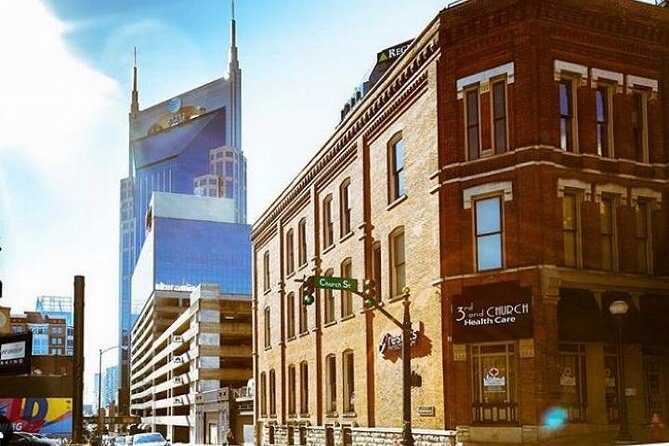
The tour starts at the Nashville Visitor Center at 501 Broadway. This is a practical meeting point in the middle of downtown, close to the main Broadway corridor and public transportation.
I like starting here because you get your bearings before the city’s noise takes over. Nashville can feel like several different places packed into a few blocks: a tourism center, a working county seat, a music town, and a place shaped by long struggles over race and access.
Your guide sets up that larger picture as you walk. The tour looks at how Nashville changed from a segregated farm town into one of the most sought-after cities in the United States. That change is not presented as a simple success story. The value is in hearing how culture, business, politics, and civil rights all shaped the city you see today.
The Visitor Center is also a sensible place to meet if you are staying downtown. Pickup and drop-off are not included, so you make your own way to the start and return there at the end.
More Nashville history tours:
- Belle Meade Guided Mansion Tour with Complimentary Wine Tasting
★ 4.5 · 2,189 reviews - Civil War Tour with Lotz House, Carter House & Carnton Admission from Nashville
★ 5.0 · 522 reviews - Journey to Jubilee Guided Tour at Belle Meade with Wine Tasting
★ 4.5 · 396 reviews
Lower Broadway Beyond Neon and Live Music
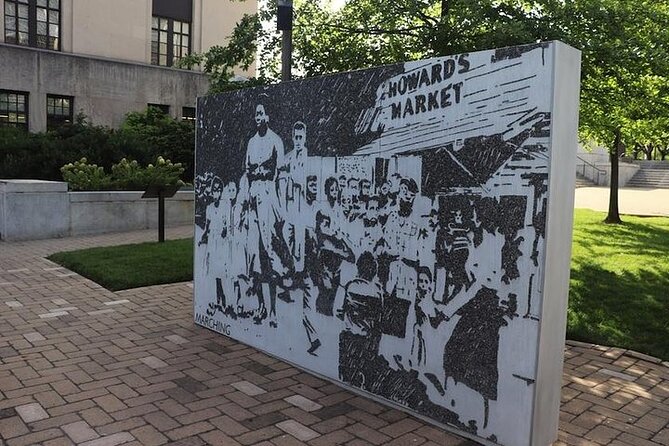
Lower Broadway is Nashville’s famous strip, with more than 30 bars and a constant stream of live music. It is loud, crowded, and designed to grab your attention. On your own, it is easy to see only the signs, stages, and souvenir shops.
This tour uses Broadway as a lesson in music, business, and public memory. You still get the sightseeing and the chance to take photographs, but the guide adds the stories behind Nashville’s cultural identity.
That wider context matters. African American music is not a side note in Nashville’s story, and the tour makes that clear before you reach the National Museum of African American Music. The route helps you connect the sounds coming from Broadway with the people and traditions that helped shape American music.
Expect this part to be more about walking and listening than entering every attraction. Two hours is not enough to stop at each bar, museum, and shop. If you want a full evening of live music, plan that separately after the tour.
Broadway can also be the least calm part of the walk. The crowds and traffic may make it harder to hear at moments, particularly if the group reaches the area at a busy time. A good guide matters here, and Chiquita’s energy is especially useful in a setting that can easily pull attention in ten directions.
A Quick Look at the National Museum of African American Music
The National Museum of African American Music is one of the most important stops on the route. The tour includes a quick stop, giving you a taste of the institution and its place in Nashville’s cultural story.
I would treat this as an introduction rather than a substitute for a museum visit. The walking tour gives you the connection between the city streets and the music traditions honored inside the museum, but the short format does not allow time to explore a large collection in detail.
That is still valuable. Many Nashville itineraries focus on country music alone. This stop corrects that narrow view and points you toward a fuller understanding of how African American artists and musical traditions influenced the city and the nation.
If the museum interests you, you may want to return on your own at another time. The tour information confirms a quick stop, not an extended museum visit or guaranteed admission. Check the booking details carefully if entering the museum is important to you.
Assembly Food Hall and the Everyday Side of Downtown
The tour also explains the background of Assembly Food Hall, a downtown place known for local food. This adds a useful change of pace after the music and civil rights material.
Food halls can seem like simple stops for lunch, but they also show how Nashville presents itself to the public. You hear how a place built around eating fits into the city’s current identity and tourism economy.
I like this part because it keeps the tour from becoming a string of solemn memorials. Nashville’s history is serious, but the city is also a place where people eat, work, gather, and build new businesses. Assembly Food Hall helps you see that present-day side.
The tour does not include food, so think of this as a story and orientation stop rather than a meal break. If you want to eat there, schedule extra time after the walk.
More Nashville walking tours:
- Downtown Nashville Guided Sightseeing Walking Tour
★ 5.0 · 1,304 reviews - Walking Food & Drink Tour of Downtown Nashville
★ 5.0 · 1,140 reviews - The Ghosts of Nashville Night-Time Walking Tour
★ 4.5 · 799 reviews - “Murder in Music City” Night-Time Ghost Walking Tour of Nashville
★ 4.5 · 742 reviews
The Nashville Public Library and Civic Memory
The Nashville Public Library is another stop on the route. Public libraries are often overlooked on city tours, yet they can say a great deal about who a city serves and how it preserves its past.
Here, the library helps widen the tour’s focus beyond famous entertainment venues. You get a sense of Nashville as a civic place, not just a stage set for visitors.
The stop also works well in a tour about civil rights. Libraries, courthouses, museums, and public streets are all places where questions about access and equality become part of daily life. The guide’s role is to connect those places so the history does not feel like a collection of unrelated dates.
You should expect an exterior or orientation stop rather than a long visit inside. The stated duration is about two hours, and the route includes several locations.
The Davidson County Courthouse and Local Civil Rights Stories
At the Davidson County Courthouse, the tour turns more directly toward government and civil rights. You hear about local heroes and the struggles that helped change Nashville.
This stop is important because national civil rights history can feel distant when it is taught only through famous names and places far away. A local courthouse makes the subject more immediate. It reminds you that the fight over equal treatment also unfolded in the streets and public buildings of Nashville.
The tour also includes a stop by the Civil Rights Museum to hear more about local people connected to that story. The supplied route names the Davidson County Courthouse, while the broader tour description includes the Civil Rights Museum as a stop, so you should confirm the exact walking order and whether the museum visit is exterior or interior when booking.
I appreciate that the tour does not treat civil rights as a brief historical footnote before returning to entertainment. It gives those stories a clear place alongside music, food, and tourism.
Murals, Street Art, and the Best Photo Stops
Colorful street art and murals provide some of the tour’s easiest photo opportunities. These stops bring visual variety to a route that includes serious history and civic sites.
You can use the murals as a way to see Nashville’s present-day creative voice. They also make the tour more relaxed for people who want both learning and sightseeing. You are not standing in one room for two hours or listening to a lecture without movement.
Still, the photographs are a bonus rather than the heart of the experience. The tour’s main purpose is to explain Nashville’s African American history, music culture, and civil rights story. If you want a dedicated mural tour, this is not described as one.
What Chiquita Adds to the Walk
The guide can make or break a short walking tour. Chiquita is the named guide associated with the strongest praise, and her approach is described as passionate and highly informed.
That matters because the route covers a lot of ground in little time. You need someone who can explain why each stop matters without turning the walk into a dry recital. Chiquita’s enthusiasm appears to be a major strength, particularly for anyone who wants a local point of view rather than a generic downtown overview.
The experience is offered in English. The maximum group size is 30 people, which keeps the walk within a reasonable scale but does not guarantee an intimate setting. If the group fills, stay near the guide so you can hear the stories and ask questions when there is a pause.
The tour is not designed as a private conversation with a historian. It is a shared walk, and the experience will depend partly on group size, street noise, and the guide’s ability to keep everyone together.
Is Two Hours Enough?
Two hours is enough for an introduction. You can see several central locations, understand the basic shape of Nashville’s transformation, and get ideas for places to revisit.
It is not enough for a slow study of each museum or courthouse. The National Museum of African American Music receives only a quick stop, and the route also includes Broadway, the library, the courthouse, murals, Assembly Food Hall, and civil rights material.
That short format is useful on a first day in Nashville. I would schedule it early in your stay if possible, then return to any place that catches your interest. The tour gives you a framework, and later independent visits can add detail.
You should wear comfortable shoes and be ready to walk outdoors for most of the experience. The stated fitness level is moderate. Service animals are allowed, and the route is near public transportation, but no pickup or drop-off is provided.
Who Gets the Best Value From This Experience?
I would recommend this walk to you if you want Nashville’s music story presented alongside African American history and civil rights. It suits first-time visitors who want a quick downtown orientation with more substance than a standard sightseeing loop.
It is also a good choice if you enjoy local stories, public art, and city history but do not want to spend the whole day inside museums. Parents and older children may find the mix of music, murals, food, and civic history easier to follow than a long formal lecture, though the group should be prepared for walking.
You may want something else if your main goal is a full museum visit, a quiet historical seminar, or an evening centered entirely on live music. This tour points toward those experiences, but it does not replace them.
The value comes from the combination. A short walk that includes Lower Broadway, the National Museum of African American Music, the Nashville Public Library, the courthouse, Assembly Food Hall, murals, and civil rights stories can help you understand how the pieces fit together. You are paying for a guide’s interpretation and local framing, not simply for access to attractions.
Practical Booking Advice and Weather Limits
Confirmation is sent within 48 hours of booking, subject to availability. The tour accepts mobile tickets, and you should arrive at the Nashville Visitor Center rather than expecting hotel pickup.
The maximum group size is 30 people. That is worth noting if you prefer quiet, highly personal tours. It is also small enough to keep the route organized in a busy downtown area.
Free cancellation is available if you cancel at least 24 hours before the start time. Changes or cancellations made inside that window are not accepted for a refund. The activity requires good weather, so a weather cancellation results in a choice of another date or a full refund.
Gratuities are optional and not included. Since the guide carries much of the experience through storytelling and pacing, you can decide after the walk if the service earned a tip.
Should You Book the Nashville African American History and Civil Rights Walking Tour?
Book it if you want to understand Nashville beyond honky-tonks and polished music branding. The tour connects African American music, local civil rights history, and present-day downtown life in a practical two-hour route.
I especially like it for a first visit, when you want a local guide to point out what deserves a closer look. Chiquita’s passion is a strong reason to choose this experience, and the 100 percent recommendation rate from the available feedback supports the sense that the guiding is its best feature.
Skip it if you need extended time inside the National Museum of African American Music or prefer to explore at your own slow pace. For everyone else, this is a useful way to place Nashville’s famous music scene in its proper historical setting.
FAQ
How long does the Nashville African American History and Civil Rights Walking Tour last?
The tour lasts approximately two hours.
Where does the tour begin?
It begins at the Nashville Visitor Center, located at 501 Broadway, Nashville, Tennessee 37203.
Where does the tour end?
The activity ends back at the meeting point at the Nashville Visitor Center.
Is the tour offered in English?
Yes. The tour is offered in English.
Who leads the tour?
The guide named in the available tour feedback is Chiquita.
What places are included on the route?
The listed stops are the Nashville Visitor Center, Lower Broadway, the National Museum of African American Music, the Nashville Public Library, and the Davidson County Courthouse. The tour description also includes Assembly Food Hall, murals, and the Civil Rights Museum area.
Is admission to museums included?
The tour includes a live guide, but museum admission is not listed as an inclusion. The National Museum of African American Music is described as a quick stop.
How large can the group be?
The activity can have a maximum of 30 participants.
What happens if the weather is poor?
The experience requires good weather. If it is canceled because of poor weather, you will be offered a different date or a full refund.
Just added in Nashville
- Honky Tonk Party Shuttle Airport★ 4.0 · 3 reviews
- Nashville’s Hidden Gems E-bike Tour★ 5.0 · 3 reviews
- Airport to Hotel Private Transfer★ 5.0 · 3 reviews
- Nashville: 1-Hour Escape Room Adventure in Opry Mills★ 5.0 · 3 reviews
- Nashville: Drinkers & Thinkers Pub Crawl★ 5.0 · 3 reviews
- Nashville Airport: One-Way Private Transfer to Nashville★ 3.7 · 3 reviews
- Nashville: Custom Perfume or Cologne Making Experience★ 5.0 · 3 reviews
- Tennessee Fall Colors Hiking Tour★ 5.0 · 3 reviews
Nashville History & Civil Rights Tours, compared.
Belle Meade Guided Mansion Tour with Complimentary Wine Tasting
Read our review →
Civil War Tour with Lotz House, Carter House & Carnton Admission from Nashville
Read our review →
Journey to Jubilee Guided Tour at Belle Meade with Wine Tasting
Read our review →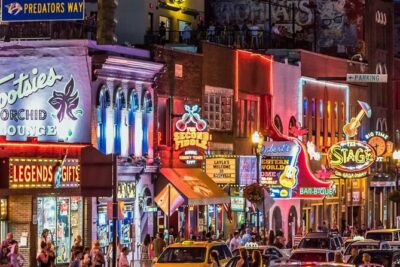
Nashville Unveiled: The History, Music, and Hacks Tour!
Read our review →
Belmont Mansion General Admission Ticket in Nashville
Read our review →
Civil War History Tour – The Battle of Franklin, Tennessee
Read our review →
Legends of Music City Guided Historical Walking Tour
Read our review →
Browse the lists this tour appears in