
Reviewed · NASHVILLE HISTORY & CIVIL RIGHTS TOURS
Nashville: Belle Meade Historic Site Journey to Jubilee Tour
Belle Meade’s Journey to Jubilee tour puts enslaved people at the center of the story, not at the edge of a grand plantation tale. Inside the kitchen house and across the grounds, you’ll learn about skilled labor, survival, contract labor, and the Black men who helped shape thoroughbred horse racing.
I like the tour’s use of primary sources and its clear timeline from 1807 through Tennessee’s adoption of the 13th Amendment in 1865. I also like the practical finish: a complimentary wine tasting at Belle Meade Winery for visitors 21 and older. The main drawback is its short one-hour format, which can feel brisk for such serious material.
In This Review
- Key points to know before you go
- Why Journey to Jubilee matters at Belle Meade
- Starting inside the kitchen house
- Moving through the plantation grounds
- The reality of enslavement and contract labor
- Black heritage and thoroughbred horse racing
- What makes the guides important
- The complimentary wine tasting at Belle Meade Winery
- Is the $33 price a good value?
- Planning your visit at Belle Meade
- Who should book Journey to Jubilee?
- Should you book this tour?
- FAQ
- How long is the Journey to Jubilee tour?
- Where does the tour begin?
- What does the tour cover?
- Is the tour suitable for children?
- Is the wine tasting included?
- Are meals included in the price?
- What should I wear, and are pets allowed?
Key points to know before you go
- The kitchen house sets the tone: You begin in a working part of the property while learning about the skilled labor performed by enslaved people.
- The story runs from 1807 to 1865: The tour follows Belle Meade through enslavement, contract labor, and emancipation.
- Black horse-racing heritage gets proper attention: The tour connects plantation labor with the later legacy of Black expertise in thoroughbred racing.
- The walking is manageable but real: Wear comfortable shoes, since the route moves among several outdoor points.
- The wine tasting is an adult bonus: Visitors 21 and older receive complimentary wine sampling at the on-site winery.
- Your guide matters: Taegan and Melissa have been praised for patient, clear explanations and strong answers to questions.
Why Journey to Jubilee matters at Belle Meade
Many plantation tours begin with architecture, wealthy owners, or famous horses. Journey to Jubilee takes a different route. It asks you to look at the people whose labor made Belle Meade operate, then to consider what happened to those people after slavery ended.
That choice gives the tour its weight. You are not simply walking past old buildings and hearing dates. You are asked to connect buildings, work, law, and memory. The focus is on enslaved people from Belle Meade’s beginnings in 1807 through the end of slavery in Tennessee in 1865.
The subject is painful, but the tour also stresses perseverance and survival. That balance matters. A tour about slavery should never turn suffering into scenery, yet it should also show the skill, resourcefulness, and strength of the people who endured it.
The content is recommended for ages 12 and older. That is a useful guide for families. Younger children may find the material difficult to follow or emotionally heavy, while teenagers can gain a fuller understanding of how plantation life worked.
More Nashville history tours:
- Belle Meade Guided Mansion Tour with Complimentary Wine Tasting
★ 4.5 · 2,189 reviews - Civil War Tour with Lotz House, Carter House & Carnton Admission from Nashville
★ 5.0 · 522 reviews - Journey to Jubilee Guided Tour at Belle Meade with Wine Tasting
★ 4.5 · 396 reviews
Starting inside the kitchen house
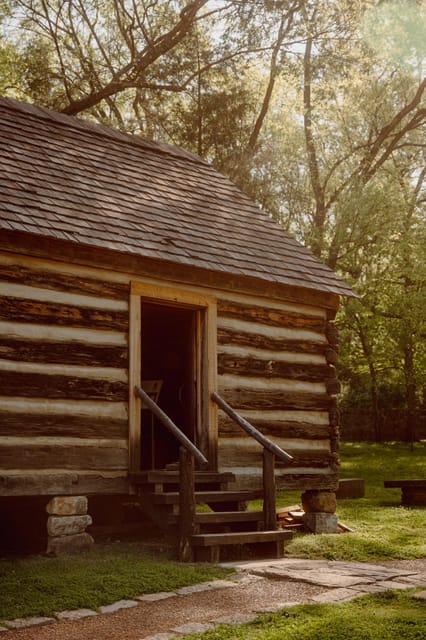
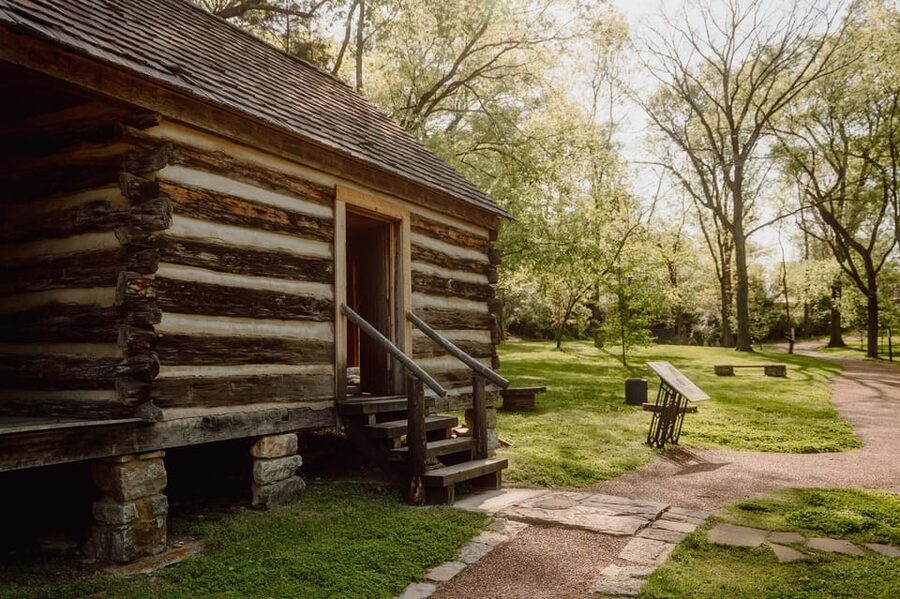
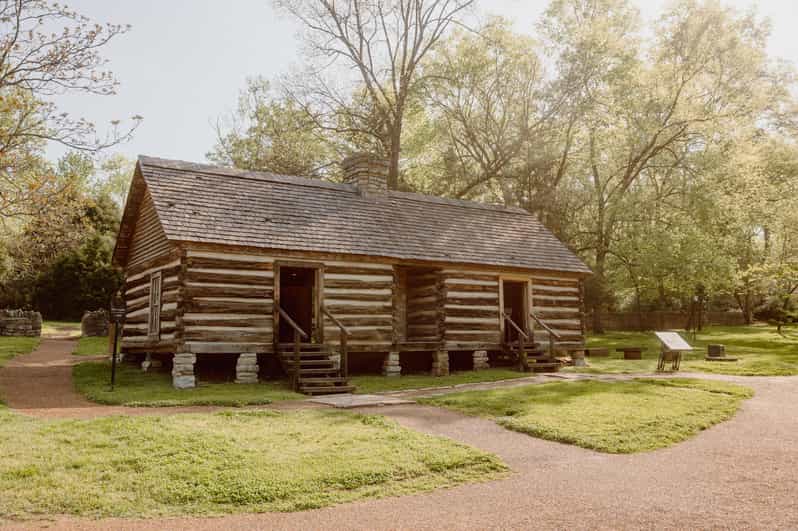
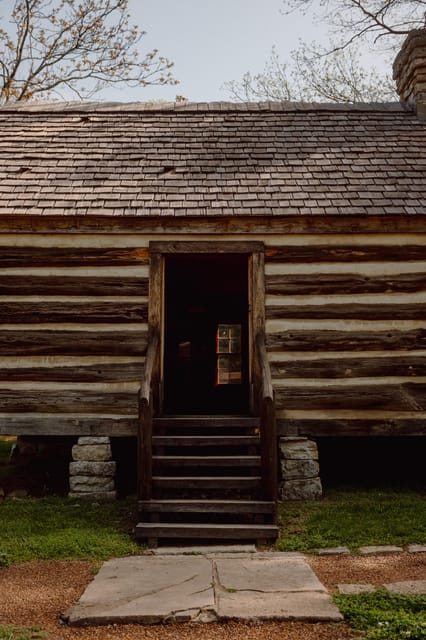
You check in at the Visitors Center, at Tickets & Guest Services on the right after entering the property. The Journey to Jubilee walk begins in the historic kitchen house, an effective place to start because it shifts your attention away from the main mansion and toward work.
Here, the guide explains the range of skilled jobs held by enslaved people at Belle Meade. The point is important: plantation labor was not limited to one simple task. The property depended on people with practical skills and specialized knowledge, even though they had no freedom and were denied control over their own lives.
The kitchen house also helps you think about the physical organization of the plantation. Food preparation, household work, maintenance, and agricultural tasks were all connected. As you stand in this small building, you can begin to see how the plantation functioned as a complete working system.
I appreciate this opening because it gives the rest of the tour a human scale. Instead of starting with a broad lecture, you begin in a place tied to daily labor. The setting makes the subject easier to understand without softening its reality.
Moving through the plantation grounds
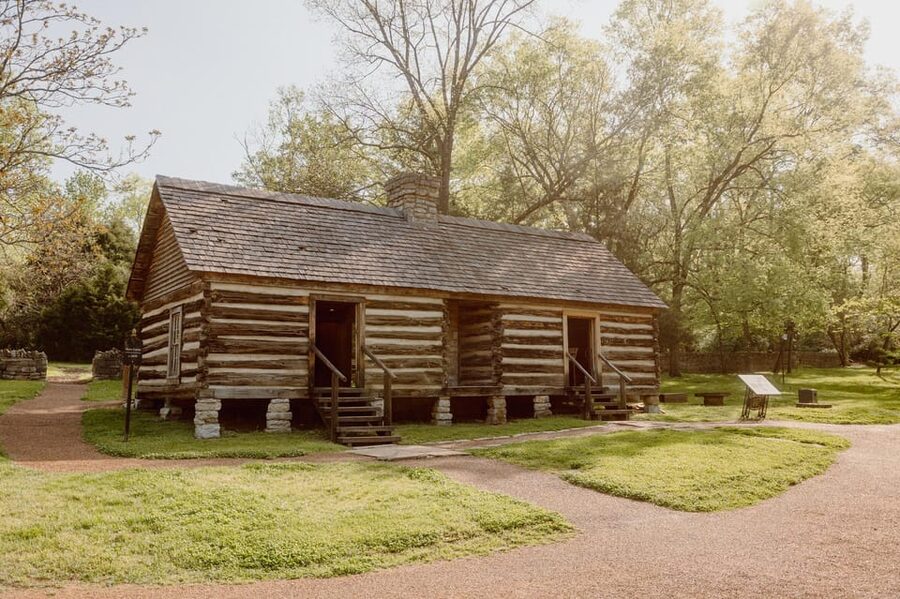
After the kitchen house, the route continues to several points around Belle Meade. This is a walking tour, not a seated talk, so you will move between historic areas and outdoor spaces as the guide builds the story.
The property includes historic outbuildings, gardens, walking trails, an outdoor game court, a gift shop, and two on-site restaurants. The tour itself does not promise equal time at each part of the site. These spaces are available around your visit, but the one-hour Journey to Jubilee route has a specific focus.
That distinction is useful when planning your day. You can take the tour for its guided interpretation, then stay longer to see the rest of the property at your own pace. The grounds provide room to pause and process the material, which is especially helpful after a serious discussion.
Comfortable shoes are a must. The walk is only about an hour, but the route includes outdoor areas and several stops. There are no wheelchairs available to rent on-site, so anyone who needs mobility equipment should plan ahead. Service animals are allowed, but they must remain leashed. Other pets are not permitted.
The reality of enslavement and contract labor
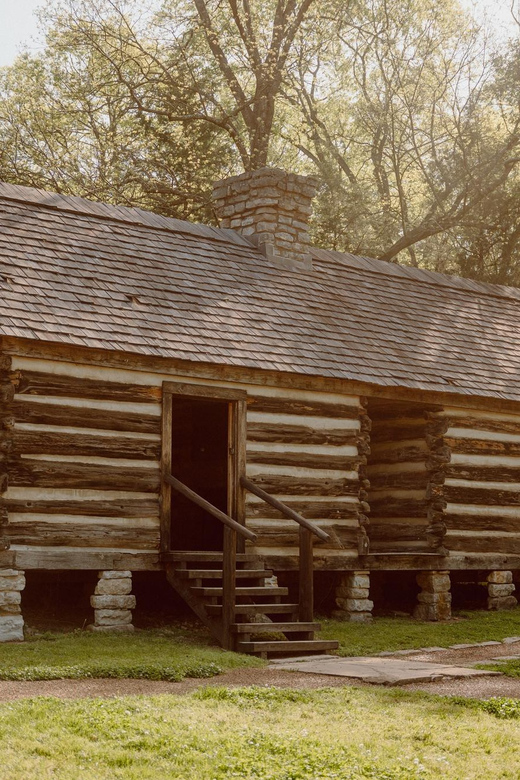
The tour does not stop at a general description of plantation slavery. It examines the labor system at Belle Meade and the lives of the people forced to work there.
You will hear about the difference between enslavement and contract labor, a distinction that becomes especially important after the Civil War. Emancipation did not instantly erase economic pressure or racial inequality. The change from slavery to labor contracts could leave Black workers with limited choices and difficult terms.
This part of the tour gives the 1865 endpoint more meaning. The adoption of the 13th Amendment in Tennessee marks a legal turning point, but it is not presented as a simple finish line. Freedom changed the law. It did not instantly repair the damage caused by generations of enslavement.
The guides use primary sources to support the interpretation. That approach can make the tour feel more grounded. You are not asked to accept a vague plantation legend. Instead, the storytelling aims to recover names, work, and experiences that were often ignored or left out of older accounts.
The amount of information may feel dense for some people. One visitor found parts too detailed and wished other subjects had received more time. That is a fair concern. The material covers almost six decades in about 60 minutes, so the guide must make choices. If you prefer a leisurely tour with long pauses, this may feel fast.
A completely different sort of day in Nashville:
- Nashville Hop On Hop Off Trolley Tour
★ 4.5 · 5,643 reviews - Nashville: Food Tour with 5+ Tastings of Local Delicacies
★ 5.0 · 2,704 reviews - Best of Nashville City Sightseeing Tour on Double Decker Bus
★ 4.5 · 2,601 reviews - Explore the City of Nashville Sightseeing Tour by Golf Cart
★ 5.0 · 2,544 reviews
Black heritage and thoroughbred horse racing
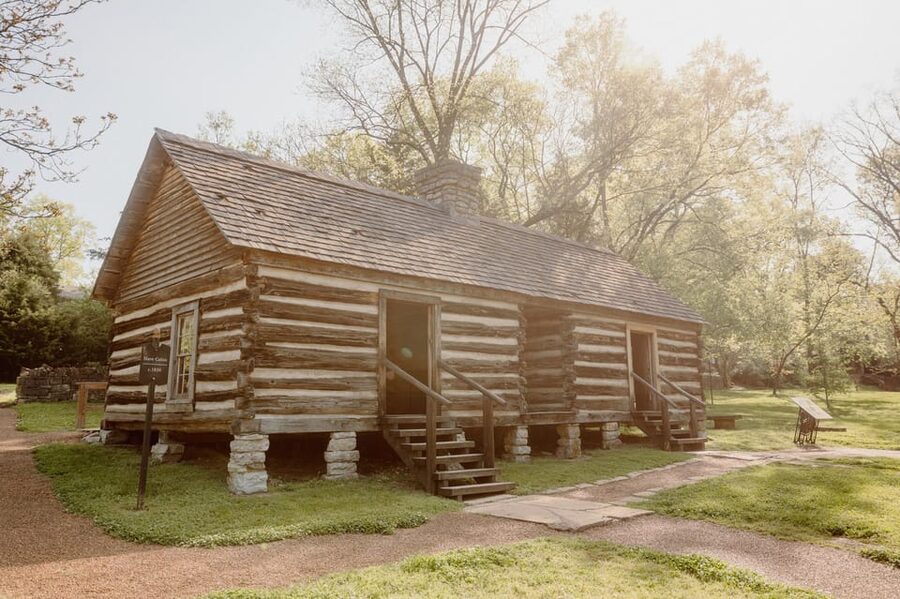
Belle Meade is closely linked with thoroughbred horse racing, and Journey to Jubilee connects that industry with Black labor and expertise.
That connection is one of the tour’s most valuable features. Horse racing is often told through owners, bloodlines, trophies, and business success. This tour asks you to remember the Black workers whose hands-on skill helped make the industry possible.
The subject also shows why labels such as stable worker or groom can hide a great deal of ability. Caring for valuable horses requires patience, observation, physical strength, and technical understanding. Enslaved Black workers developed and used those skills under a system that denied them basic rights.
The later legacy of Black Heritage in thoroughbred racing adds another layer. The tour does not treat emancipation as the end of Black involvement in the industry. Instead, it points toward a longer story of contribution, expertise, and recognition.
For anyone interested in horse racing, this part alone adds value. It gives you a more honest way to view the sport’s past. You leave with a better sense of who did the daily work and why their role deserves attention.
What makes the guides important
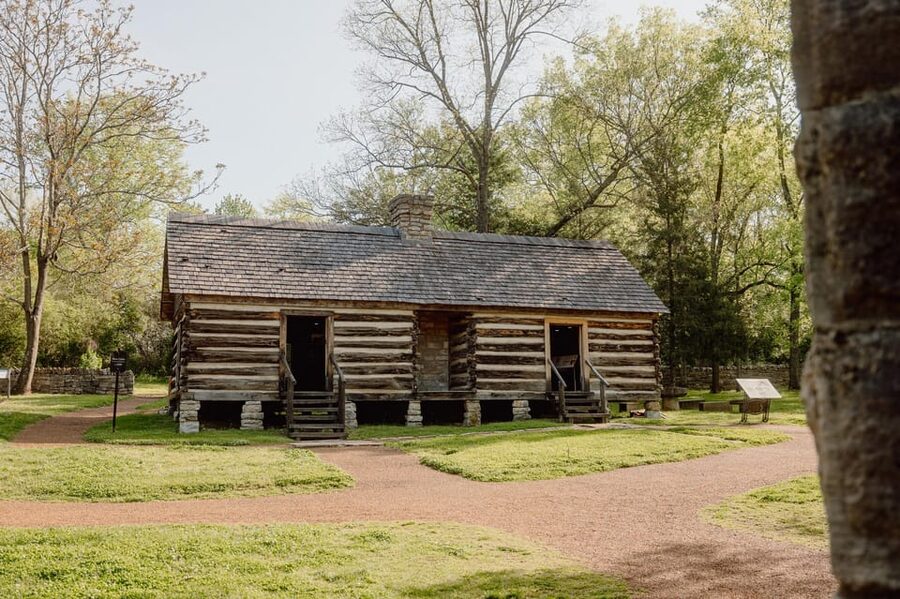
The guide leads the experience in English, and the quality of the spoken interpretation matters a great deal here. This is not a tour where you can simply scan a plaque and move on. The connections between buildings, labor, law, and horse racing need explanation.
Taegan has been praised for answering a wide range of questions and for adjusting the pace when older members of the group walked more slowly. That is useful information if your party includes people who need extra time. A patient guide can make a walking tour far more comfortable.
Melissa has also been praised for a professional and well-informed presentation, along with strong exhibits, photographs, and scenery along the route. Her approach suggests that the tour combines spoken history with the physical evidence around the property.
You should still expect a serious educational experience rather than a light plantation outing. The content can be emotionally demanding, and the guide may cover a lot of material in a short time. Ask questions when the pace allows, especially if you want more context about labor or racing.
The complimentary wine tasting at Belle Meade Winery
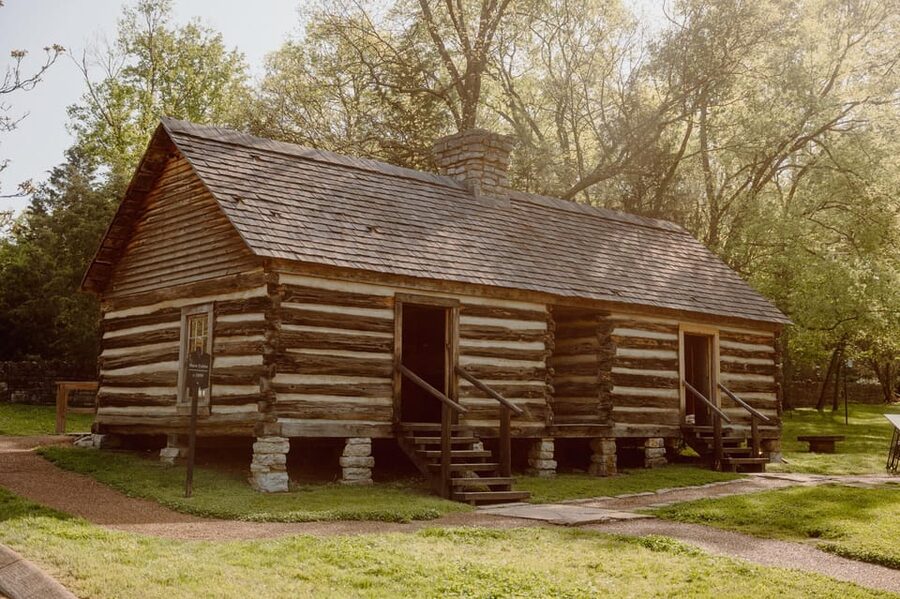
The tour ends with complimentary wine sampling in the Belle Meade Winery tasting room for visitors 21 and older. It is a pleasant change of pace after an hour of difficult history, but it should be viewed as a small extra rather than the main reason to book.
The tasting gives you a quiet moment to reflect. Some people may appreciate the chance to talk through what they have heard. Others may prefer to continue exploring the property, gardens, trails, or gift shop.
Meals and other beverages are not included. Two restaurants are on-site, but you should plan to pay separately if you want lunch or a full drink. Outside food and beverages are not permitted on the property.
The age limit is simple: the complimentary wine sampling is for those 21 and older. Younger visitors can take the tour, but they should not expect the tasting portion.
Is the $33 price a good value?
At $33 per person, the tour is reasonably priced for a guided historic-site experience, especially because it includes access to the wider Belle Meade property, free parking, and the wine sampling for those 21 and older.
The value depends on how you use your time. If you arrive, take only the 60-minute tour, and leave immediately, the price rests mainly on the quality of the guide and the depth of the interpretation. If you also explore the gardens, outbuildings, trails, game court, gift shop, or restaurants, your visit feels more complete.
The short duration is both a strength and a weakness. An hour fits neatly into a Nashville sightseeing day and works well for visitors who want one focused stop. At the same time, the subject is broad enough that some sections may feel compressed.
I would choose this tour for its content, not for the tasting. The wine is a nice addition, but the real value is the chance to hear a plantation story centered on enslaved people, labor, and Black achievement.
Planning your visit at Belle Meade
Allow time to find the Visitors Center and check in at Tickets & Guest Services. Tickets are valid only for the date and time purchased, so do not treat the start time as a loose suggestion.
Wear shoes suitable for walking outdoors. Bring your patience as well as your curiosity. The tour asks you to listen closely, and the most meaningful parts may not be the prettiest ones.
Free parking makes the visit easier for drivers. Once inside, you can combine the tour with time at the gardens, historic outbuildings, trails, outdoor game court, gift shop, or restaurants. Since outside food and beverages are not allowed, plan to purchase refreshments on-site if needed.
The activity offers free cancellation up to 24 hours before the scheduled time, and you can reserve now and pay later. Those options are useful if your Nashville plans are still shifting.
Who should book Journey to Jubilee?
I recommend this tour to you if you want a serious, focused look at Belle Meade’s Black history. It suits adults, families with older children, students, and anyone interested in the relationship between slavery, labor, and horse racing.
It is also a good choice if you prefer guided interpretation to wandering through a historic property on your own. The primary-source approach and the attention to individual lives give the visit more substance than a quick look at the buildings.
You may want to skip it if you are seeking a light, entertainment-first outing or if you dislike tours with dense historical information. The subject is sensitive, and the one-hour schedule leaves little room for long pauses.
Should you book this tour?
Book Journey to Jubilee if you want Belle Meade’s story told with Black lives and labor at its center. The tour’s strongest qualities are its serious subject, its attention to enslaved and contracted workers, and its link between plantation work and thoroughbred racing.
Go in with comfortable shoes and enough time to explore the wider property afterward. At $33, it offers solid value for a focused hour of history, free parking, access to the grounds, and a wine tasting for adults. Just remember that the wine is the coda, not the main event.
FAQ
How long is the Journey to Jubilee tour?
The guided walking tour lasts 60 minutes. Some visitors may choose to spend additional time exploring the gardens, historic outbuildings, trails, gift shop, restaurants, and other property features.
Where does the tour begin?
Check in at the Visitors Center, at Tickets & Guest Services to the right after you enter the property. The tour begins inside the historic kitchen house.
What does the tour cover?
It covers enslavement, contract labor, and the lives of enslaved people at Belle Meade from the plantation’s beginning in 1807 through Tennessee’s adoption of the 13th Amendment in 1865. It also covers the Black heritage of thoroughbred horse racing.
Is the tour suitable for children?
The tour is recommended for visitors aged 12 and older because of its mature and sensitive subject matter.
Is the wine tasting included?
Yes. Visitors aged 21 and older receive complimentary wine sampling in the Belle Meade Winery tasting room after the tour.
Are meals included in the price?
No. Meals and beverages are not included. Two restaurants are available on the property, and outside food and beverages are not permitted.
What should I wear, and are pets allowed?
Wear comfortable shoes because the tour involves walking. Pets are not allowed, but service animals are permitted and must remain leashed.
Just added in Nashville
- Honky Tonk Party Shuttle Airport★ 4.0 · 3 reviews
- Airport to Hotel Private Transfer★ 5.0 · 3 reviews
- Nashville’s Hidden Gems E-bike Tour★ 5.0 · 3 reviews
- Nashville: 1-Hour Escape Room Adventure in Opry Mills★ 5.0 · 3 reviews
- Nashville: Drinkers & Thinkers Pub Crawl★ 5.0 · 3 reviews
- Nashville Airport: One-Way Private Transfer to Nashville★ 3.7 · 3 reviews
- Nashville: Custom Perfume or Cologne Making Experience★ 5.0 · 3 reviews
- Tennessee Fall Colors Hiking Tour★ 5.0 · 3 reviews
Nashville History & Civil Rights Tours, compared.
Belle Meade Guided Mansion Tour with Complimentary Wine Tasting
Read our review →
Civil War Tour with Lotz House, Carter House & Carnton Admission from Nashville
Read our review →
Journey to Jubilee Guided Tour at Belle Meade with Wine Tasting
Read our review →
Nashville Unveiled: The History, Music, and Hacks Tour!
Read our review →
Belmont Mansion General Admission Ticket in Nashville
Read our review →
Civil War History Tour – The Battle of Franklin, Tennessee
Read our review →
Legends of Music City Guided Historical Walking Tour
Read our review →
Browse the lists this tour appears in