

Reviewed · NASHVILLE HISTORY & CIVIL RIGHTS TOURS
Nashville Black History & Civil Rights Trail Tour
Nashville’s Lower Broadway is famous for music, but this downtown walking tour asks you to hear a fuller story. Along the city’s most visited street, you’ll learn about Black Nashvillians, segregation, protest, and the student movement that challenged racism at lunch counters, theaters, and other public places.
I like the tour’s local perspective and its focus on stories often left off plaques and out of standard history lessons. I also like the small group limit of 20, which should make it easier to follow the guide and ask questions. The main drawback is that the tour stays in downtown Nashville, so you should not expect a broad citywide route or visits to every important civil rights site.
In This Review
- Key points to know before you book
- Why Lower Broadway is the right place to begin
- The civil rights story behind the streets
- Chakita Patterson and the value of a local voice
- What you can expect on the Lower Broadway walk
- A thoughtful alternative to Nashville’s usual sightseeing
- How much walking and time should you plan?
- Is the tour a good value?
- Who should book this experience?
- Practical booking details
- How this tour handles difficult history
- Should you book the Nashville Black History and Civil Rights Trail Tour?
- FAQ
- Where does the tour begin?
- Where does the tour end?
- How long does the tour last?
- What language is the tour offered in?
- Is hotel pickup or drop-off included?
- Is the tour accessible by public transportation?
- Are service animals allowed?
- What happens if the weather is poor?
- What is the cancellation policy?
Key points to know before you book
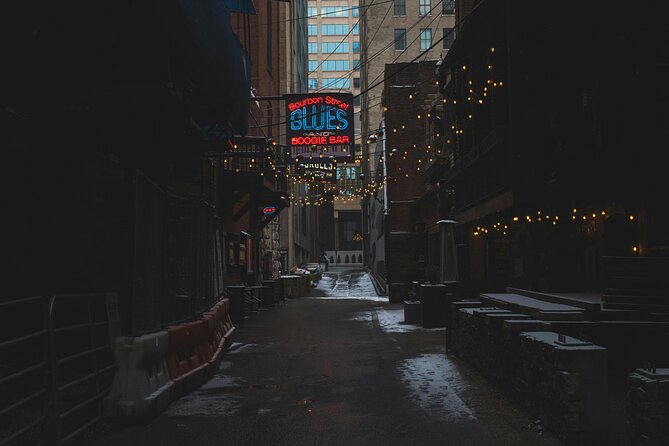
- Lower Broadway gets a second story: The tour looks beyond Nashville’s music reputation to examine Black history on the city’s most visited street.
- A strong civil rights focus: You’ll hear about the February 1960 student protests led by students from Nashville’s historically Black colleges.
- Local guides add context: Chakita Patterson has led the experience with energy, humor, and a clear connection to Nashville.
- The group is capped at 20: That is a useful size for a walking tour built around conversation and questions.
- It lasts about two hours: Allow extra time before or after the walk, since there is no pickup or drop-off.
- Good for repeat Nashville visitors: Even people who have lived in the city for years may learn names, events, and controversies they have never encountered.
Why Lower Broadway is the right place to begin
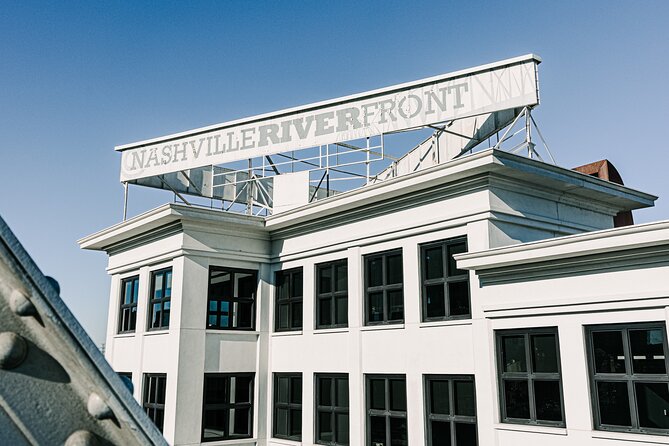
The tour starts at the Nashville Visitor Center at 501 Broadway. That puts you directly on Lower Broadway, the strip most closely associated with Nashville’s live music, neon signs, and packed bars.
At first glance, this may seem like an odd setting for a civil rights tour. That contrast is exactly what makes the route useful. Lower Broadway is not just an entertainment corridor. It is part of a city shaped by racial separation, Black enterprise, student activism, and long arguments over who could use public spaces and on what terms.
You’ll spend roughly two hours walking through downtown, with the guide connecting visible streets and buildings to events that are easy to miss if you explore only through music history. The point is not simply to add a few Black names to a familiar Nashville story. It is to show how the city’s public life was shaped by Black residents, institutions, and organized resistance.
The tour ends in Nashville rather than at a listed attraction or museum. Since the exact end point can vary, treat this as a guided urban walk rather than a ticketed indoor visit.
More Nashville history tours:
- Belle Meade Guided Mansion Tour with Complimentary Wine Tasting
★ 4.5 · 2,189 reviews - Civil War Tour with Lotz House, Carter House & Carnton Admission from Nashville
★ 5.0 · 522 reviews - Journey to Jubilee Guided Tour at Belle Meade with Wine Tasting
★ 4.5 · 396 reviews
The civil rights story behind the streets
One of the central subjects is the student-led protest movement that began in Nashville in February 1960. Students from American Baptist College, Fisk University, Meharry Medical College, and Tennessee State University confronted segregation at lunch counters, movie theaters, and other public places.
This is important context for understanding Nashville’s civil rights story. The movement was not only directed by famous national figures. It was also organized by young people who trained, planned, endured pressure, and challenged daily rules that denied Black citizens equal access.
You can expect the guide to connect those actions with the wider question of how change happens. The emphasis is not only on what occurred, but also on the choices people faced, the opposition they met, and the role of courage, empathy, and persistence in public life.
That makes the tour useful for a first visit to Nashville, but also for anyone who already knows the basic civil rights timeline. The city’s local story gives familiar national events a more specific setting.
Chakita Patterson and the value of a local voice
Chakita Patterson has led this tour with an upbeat, energetic approach. Her connection to Nashville matters because the experience is designed around local facts and local memory, not a generic national script.
You should expect a guide who does more than recite dates. Patterson has been described as offering little-known facts, explaining disputed points, and discussing the controversies surrounding important events. That style suits a subject that cannot be reduced to a neat list of heroes and milestones.
A good guide makes room for questions, and this tour appears especially useful for people who want to understand how public memory is formed. You may hear about a person or event that is rarely highlighted, then learn why some stories received attention while others were left out.
The guide’s energy is also practical. Civil rights history can be heavy, especially when you are walking through an active entertainment district. A lively, interactive presentation helps keep the tour focused without turning serious subjects into a dry lecture.
What you can expect on the Lower Broadway walk
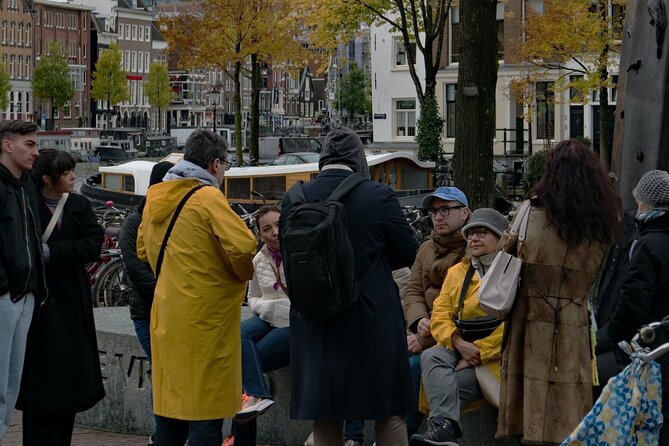
The supplied route lists one main stop, Downtown Nashville, rather than a long series of named attractions. That means the experience is best understood as a guided story walk, with Lower Broadway serving as the setting.
You will begin at the Nashville Visitor Center. From there, the guide will use the downtown streets to discuss Black history connected to the area. The exact sequence of street corners and stopping points is not specified, so you should not book this expecting a fixed museum-style route with a published stop list.
That flexibility can be a strength. It lets the guide respond to the group, point out details in the surrounding area, and explain how the modern street relates to its past. The trade-off is that you may want to ask at the start which locations will be covered and where the walk will finish.
Because the tour lasts about two hours and requires a moderate level of physical fitness, wear comfortable shoes. You will be outdoors, walking through central Nashville, and the tour requires good weather. Service animals are allowed, and the meeting point is near public transportation.
A completely different sort of day in Nashville:
- Nashville Hop On Hop Off Trolley Tour
★ 4.5 · 5,643 reviews - Nashville: Food Tour with 5+ Tastings of Local Delicacies
★ 5.0 · 2,704 reviews - Best of Nashville City Sightseeing Tour on Double Decker Bus
★ 4.5 · 2,601 reviews - Explore the City of Nashville Sightseeing Tour by Golf Cart
★ 5.0 · 2,544 reviews
A thoughtful alternative to Nashville’s usual sightseeing
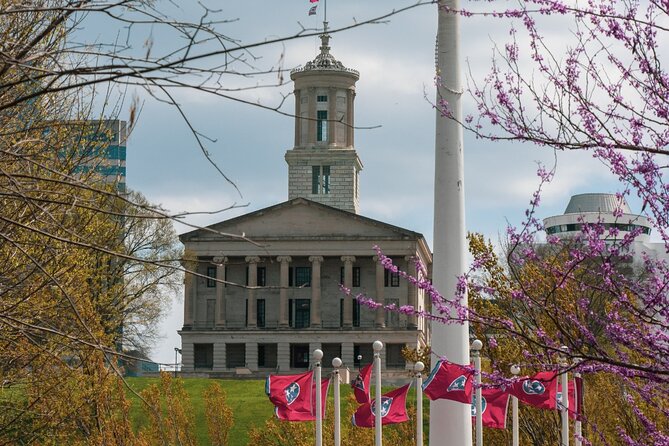
Nashville has no shortage of music-focused tours. Those can be fun, but they often leave out the people and institutions that helped shape the city outside the recording studio and concert hall.
This experience gives you a different way to read the same downtown streets. You’ll see Lower Broadway not only as a place for country music and nightlife, but also as part of a civic story about access, power, identity, and protest.
I especially like this for people who want a more complete understanding of Nashville than the usual entertainment highlights provide. It also works well for local residents. One longtime Nashville resident learned a great deal during a short tour, which suggests that familiarity with the city does not guarantee familiarity with its Black history.
The experience is also a good fit for history-minded families, college groups, teachers, and anyone interested in the civil rights movement. The subject matter may be less suitable if you are looking only for light sightseeing or photo stops.
How much walking and time should you plan?
The advertised duration is approximately two hours. One past description of the experience referred to a shorter one-hour format, so I would confirm the current timing when you book and keep your schedule flexible.
The walk requires moderate physical fitness. No detailed accessibility information is provided beyond the fact that service animals are allowed and public transportation is nearby. If you have concerns about standing, walking distance, weather, or downtown pavement, contact the operator before booking.
There is no hotel pickup or drop-off. You are responsible for reaching 501 Broadway and arranging your own plans afterward. That is not a major problem in central Nashville, but it matters if you are booking this between a morning attraction and an evening reservation.
A small group can make a real difference here. With a maximum of 20 people, you should have a better chance of hearing the guide and staying engaged than on a large coach tour. It also leaves more room for questions about local names, places, and events.
Is the tour a good value?
No price is provided in the available details, so I cannot judge the exact cost. I can still explain what you are paying for: a live guide, a focused historical theme, and about two hours of interpretation in central Nashville.
The experience includes entrance fees when applicable, though the route appears primarily outdoors and no specific paid attraction is named. Tips are not included, but gratuities are optional.
For value, the key question is what you want from a tour. If you want transportation, several indoor admissions, or a large number of landmarks, this may feel limited. If you want a guide to put Nashville’s streets into historical context, the format has a clear purpose.
The strongest value comes from the guide’s interpretation. Facts alone are easy to find. It is harder to understand why a protest mattered, how local institutions supported change, or why certain stories remain less visible. A well-led walk can provide that connection in a short amount of time.
Who should book this experience?
I would recommend it to anyone who wants to go beyond Nashville’s music image. It is especially worthwhile for:
- People visiting Nashville for the first time who want more than entertainment history
- Repeat visitors who have already seen the main music attractions
- Local residents who want to test their knowledge of the city
- History students, teachers, and civil rights enthusiasts
- People interested in stories often omitted from standard public history
- Small groups that prefer conversation over a large scripted tour
I would think twice if you have limited mobility, dislike outdoor walking, or want a tour with a long list of precisely named stops. The route is centered on one downtown area, and the supplied details do not promise museum entry or transportation.
Practical booking details
The tour is offered in English and uses a mobile ticket. Confirmation is sent within 48 hours of booking, subject to availability, so do not assume an instant confirmation if your schedule is tight.
The meeting point is the Nashville Visitor Center at 501 Broadway, Nashville, Tennessee 37203. There is no pickup or drop-off service. The end point is listed generally as Nashville, with the exact location described as varying, so ask for final details before you begin.
The experience requires good weather. If poor weather forces a cancellation, you can receive a different date or a full refund. It also requires a minimum number of participants, and if that minimum is not met, you will be offered another date or experience, or a full refund.
You can cancel for a full refund if you do so at least 24 hours before the start time. Changes or cancellations made less than 24 hours before the start are not accepted for a refund.
How this tour handles difficult history
The best part of this experience is its willingness to treat history as more than a polished collection of triumphs. The tour addresses racism directly and places civil rights action in the daily settings where exclusion occurred.
That approach gives you a better sense of scale. Lunch counters, theaters, and other public spaces may seem ordinary now, but access to them once carried a legal and social barrier for Black Nashvillians. Learning about organized resistance in those settings helps explain why local activism mattered.
The tour also appears to connect history with present-day civic responsibility. The point is not to leave the subject in the past. It asks you to think about equity, compassion, and the work required to create a fairer society.
That can make the experience emotionally serious. You should come ready to listen, ask respectful questions, and accept that some parts of the story may challenge the version of Nashville you already know.
Should you book the Nashville Black History and Civil Rights Trail Tour?
Book it if you want a short, focused walk that adds Black history and civil rights context to a downtown Nashville visit. The combination of Lower Broadway, a local guide such as Chakita Patterson, and the story of students from four Black colleges gives the tour a clear identity.
I would place it near the beginning of your Nashville stay. The walk can change how you understand downtown for the rest of your visit, and its central meeting point makes it easy to pair with other plans.
Skip it if you want a broad bus tour, a museum visit, or a route packed with named landmarks. But if you care about the stories that standard sightseeing often leaves out, this is a thoughtful use of two hours and a strong way to see Nashville from a wider perspective.
FAQ
Where does the tour begin?
It begins at the Nashville Visitor Center, located at 501 Broadway, Nashville, TN 37203, USA.
Where does the tour end?
The end point is listed as Nashville, Tennessee, with the exact location varying.
How long does the tour last?
The tour is advertised as lasting approximately two hours. A shorter duration has also been associated with the experience, so confirm the current timing when booking.
What language is the tour offered in?
The tour is offered in English.
Is hotel pickup or drop-off included?
No. Pickup and drop-off are not included.
Is the tour accessible by public transportation?
The meeting area is near public transportation.
Are service animals allowed?
Yes, service animals are allowed.
What happens if the weather is poor?
The experience requires good weather. If it is canceled because of poor weather, you will be offered another date or a full refund.
What is the cancellation policy?
You can cancel at least 24 hours before the start time for a full refund. Cancellations or changes made less than 24 hours before the start are not accepted for a refund.
Just added in Nashville
- Honky Tonk Party Shuttle Airport★ 4.0 · 3 reviews
- Nashville’s Hidden Gems E-bike Tour★ 5.0 · 3 reviews
- Airport to Hotel Private Transfer★ 5.0 · 3 reviews
- Nashville: 1-Hour Escape Room Adventure in Opry Mills★ 5.0 · 3 reviews
- Nashville: Drinkers & Thinkers Pub Crawl★ 5.0 · 3 reviews
- Nashville Airport: One-Way Private Transfer to Nashville★ 3.7 · 3 reviews
- Nashville: Custom Perfume or Cologne Making Experience★ 5.0 · 3 reviews
- Tennessee Fall Colors Hiking Tour★ 5.0 · 3 reviews
Nashville History & Civil Rights Tours, compared.
Belle Meade Guided Mansion Tour with Complimentary Wine Tasting
Read our review →
Civil War Tour with Lotz House, Carter House & Carnton Admission from Nashville
Read our review →
Journey to Jubilee Guided Tour at Belle Meade with Wine Tasting
Read our review →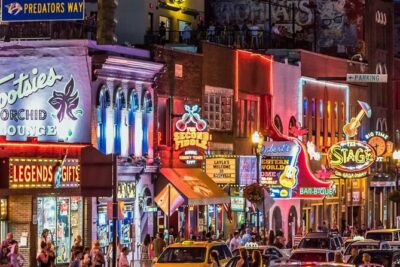
Nashville Unveiled: The History, Music, and Hacks Tour!
Read our review →
Belmont Mansion General Admission Ticket in Nashville
Read our review →
Civil War History Tour – The Battle of Franklin, Tennessee
Read our review →
Legends of Music City Guided Historical Walking Tour
Read our review →
Browse the lists this tour appears in